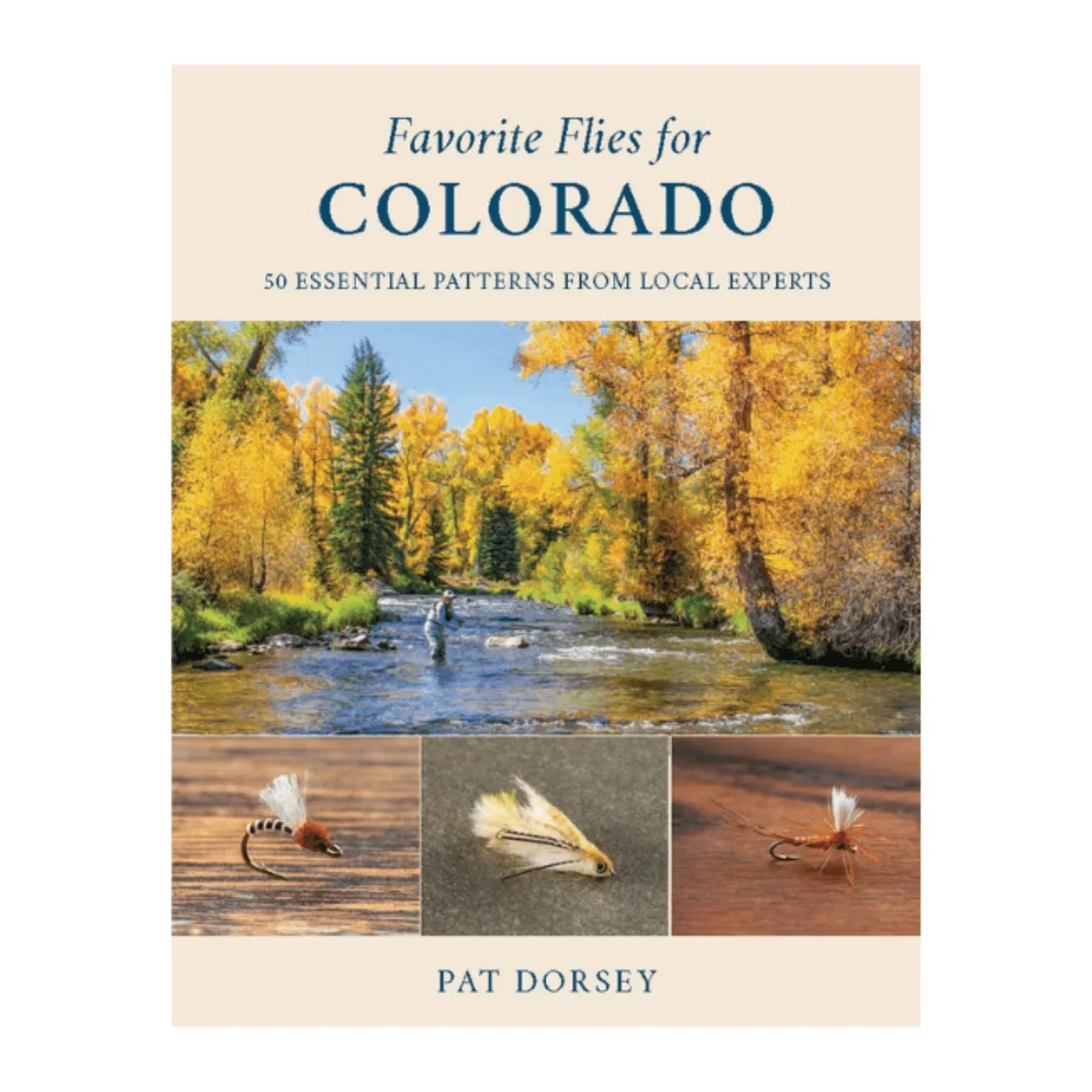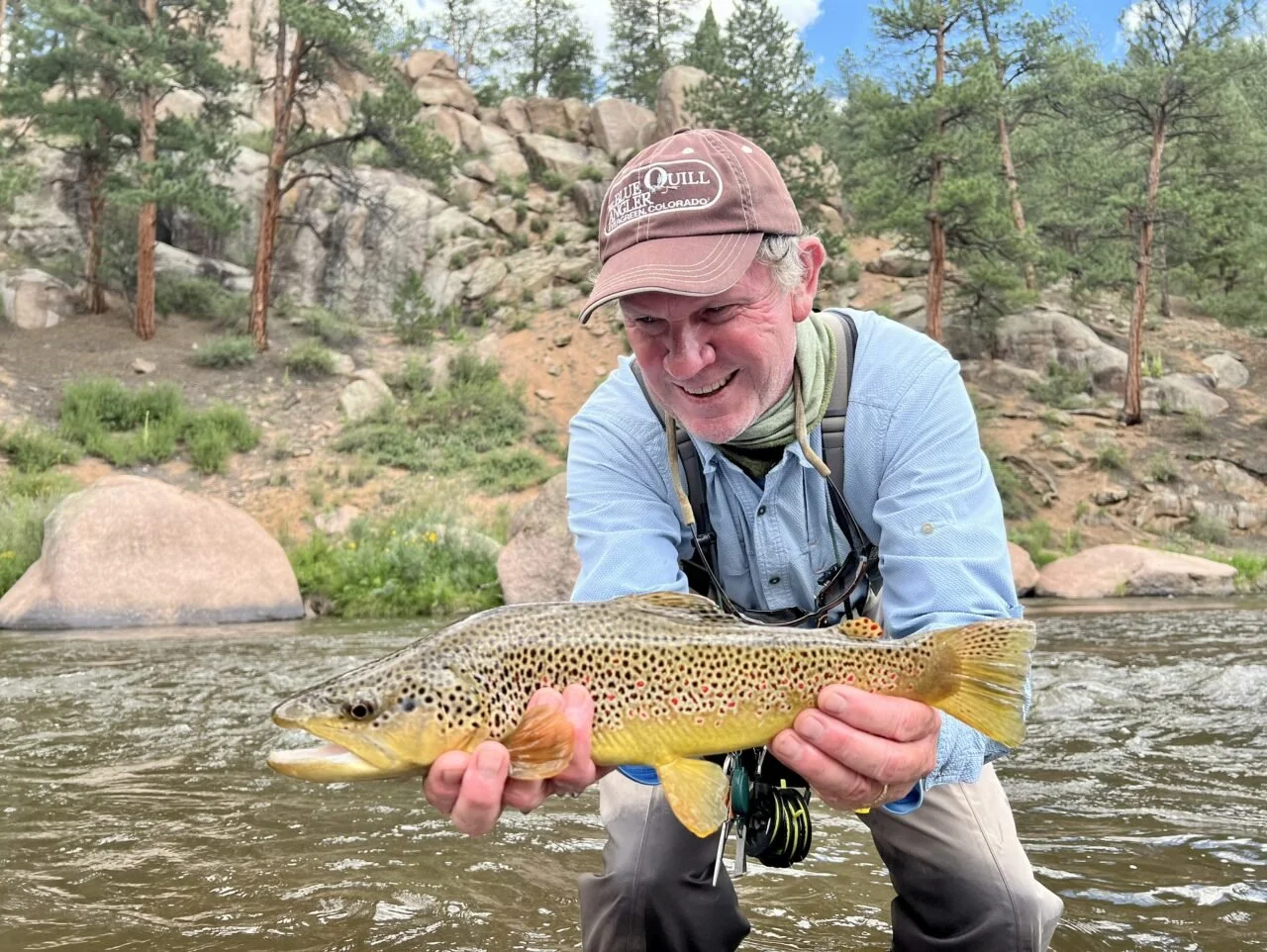
Pat Dorsey
1. Choice of equipment Rods, reels, fly lines, fly floatants, clothes, glasses and other useful items.
I use the Orvis H4 rods, Mirage Reels, SA fly lines, Aqua floating, Costa Glasses. I wear mainly Orvis and Simms clothing.
2. Leader material, build up, length and knots.
For dry flies, I use SA 10-12 foot leaders depending on the water type and selectivity of the trout. I use SA leaders and tippet. I use blood knots and clinch knots.
3. Approach and stealth.I fish dry flies upstream, downstream, up and across, and down and across. I use reach mends frequently and prefer a downstream attack. A fly that proceeds the leader and tippet is my preference and is a deadly tactic with dry flies.
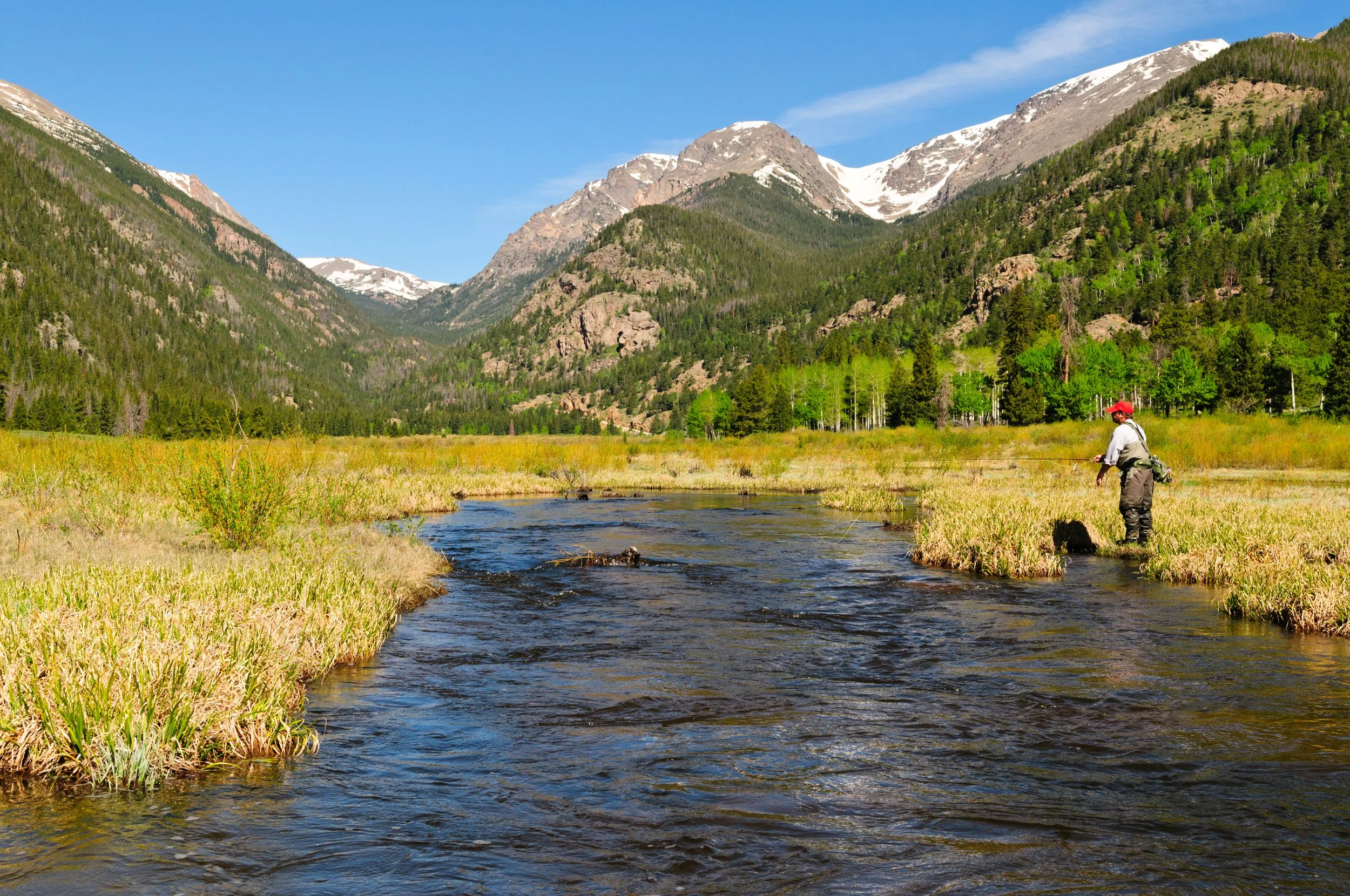
4. Reading the water.
I like fishing the classic riffle, run, pool, tailouts. I also enjoy pocket water. Trout have to make up their mind quickly in pocket water, especially when fishing with attractors. Pocket water tends to get less fishing pressure so its easier to find cooperative trout there.
5. Casting ability which casts are essential.
See above...
6. Entomology, what should we know.
Every angler needs to familiar themselves with the lifecycles of midges, mayflies, caddis, and stoneflies. And they need to come to the river prepared to imitate the various stages of their lifecycle. No need to overthink things, just know the basics. The size, shape, and color formula is a fool proof method of matching the hatch. Don’t forget about behavior, that is important too in certain situations like Baetis and caddis. Don’t forget about misc food items too…scuds, shrimp, terrestrials, aquatic worms, and so on...
7. Rise forms Can they tell us something?
Rise forms are very important when matching the hatch. Careful observation reveals many clues as to what the fish are eating. For instance, splashy rises tend to make you believe they are eating caddis or fluttering insects like yellow sallies, sipping rise forms suggest a trout eating mayfly duns, gulpers suggest a trout eating spinners, and a headless to tail rise form suggest a trout keying on emergers. Observation is a powerful tool.
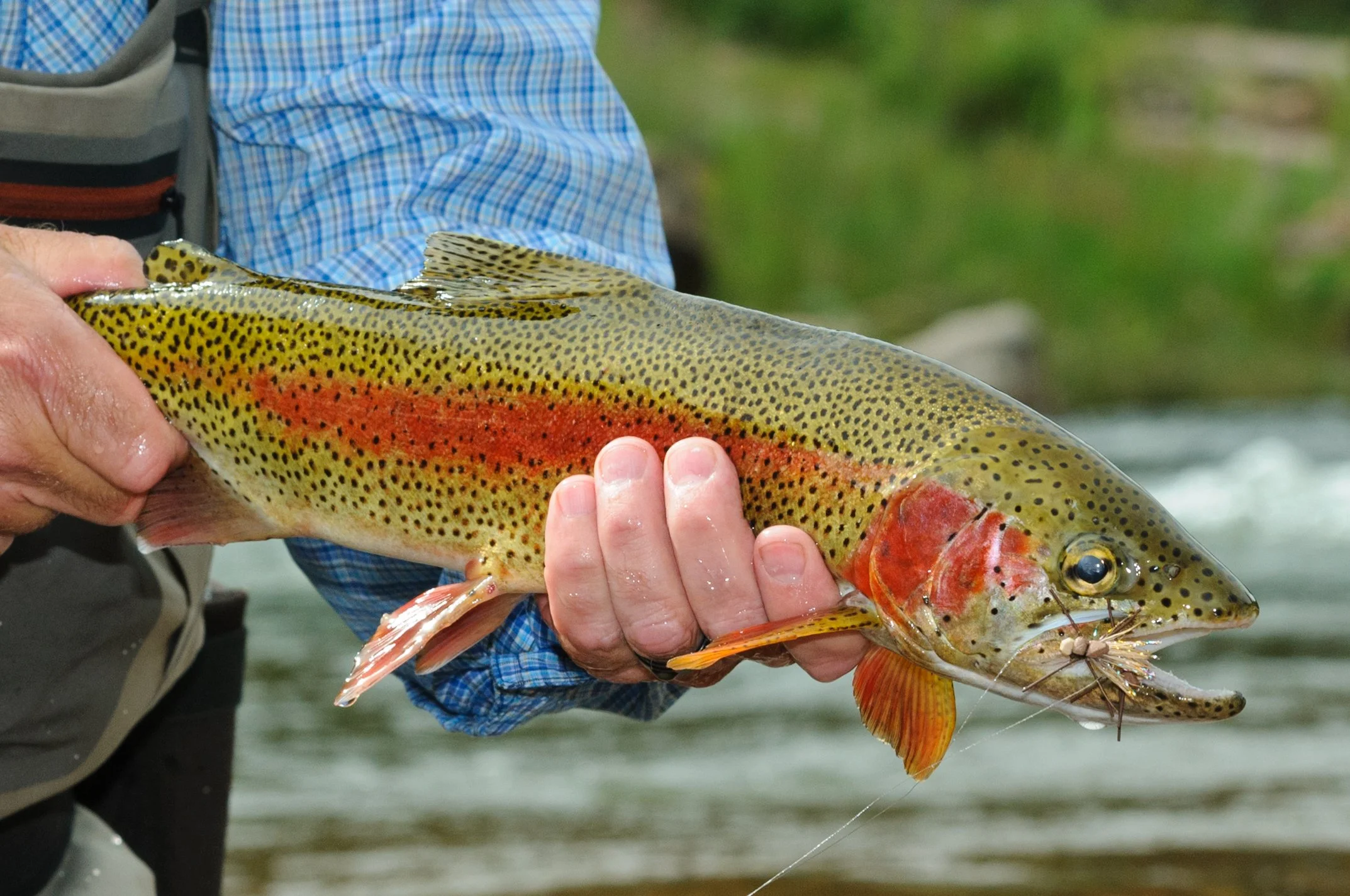
8. Fly selection, size, shape, materials, which flies are essential, favourite fly.
I am a fan of low riders on mayflies…comparaduns and parachutes. Although, I have to admit, I am really getting into Catskill patterns right now and have been tying a bunch of them lately. I like big and bushy flies on choppy water when there is no evident hatch, Foam stuff is a great option too…stuff like Amy’s Ant is deadly under a wide range of conditions. And they also support a dropper if needed.
9. Presentation and drifts.
See above
10. Upstream or downstream?
See above
11. fighting fish.
I’m a big fan of the rod tip up to protect the lighter tippets. I like to apply bankside pressure to the fish to get it out of the heavy current, then I like to lift the fishes head up quickly and slide them to the net. The longer you fight a trout, the great the chances they break you off, or the shake the fly loose.