Paul Svensson
Paul Svensson
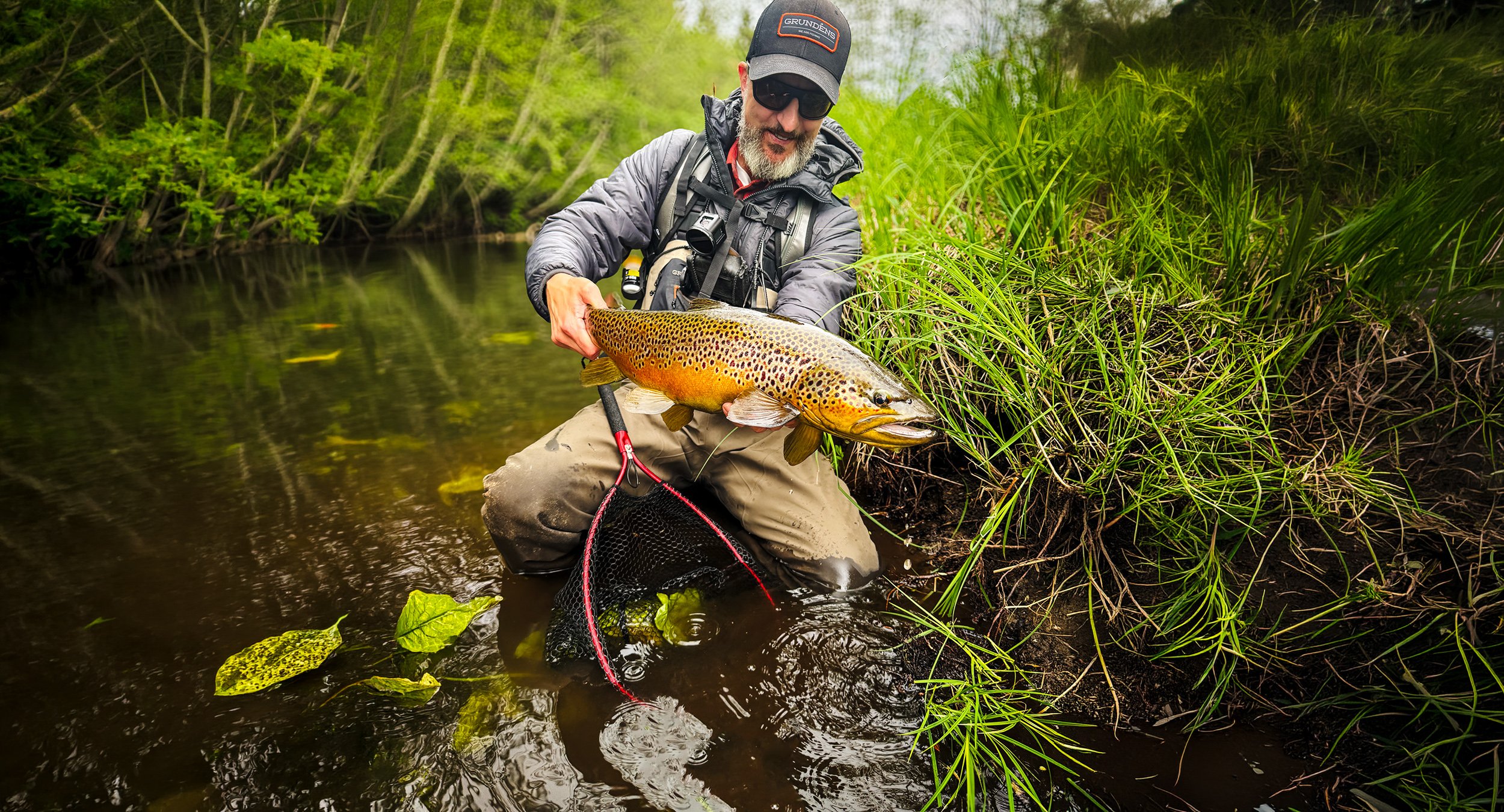
I am based in Sweden and have been fly fishing since my early teens. Together with fly tying and photography it has become a central part of my life.
Dry fly fishing is something I hold very close. I spend most of my time on small and medium sized rivers close to home, and every summer I travel north to fish for trout and Arctic char in the Swedish and Norwegian mountains.
1. Choice of equipment Rods, reels, fly lines, fly floatants, clothes, glasses, and other useful items.
For me, equipment should help me catch fish. That also means I place high demands on it, because I want to practice fly fishing as well as I possibly can.
Rods
In medium sized rivers I fish almost exclusively with 9 ft #5 rods. I have two favourites at the moment. One is the Orvis Helios 3F #5. It is very accurate, easy to cast, and the fly almost always lands exactly where I want it. My other favourite is the Vision Rivermaniac, which is a wonderful dry fly rod and a real pleasure when fighting fish.
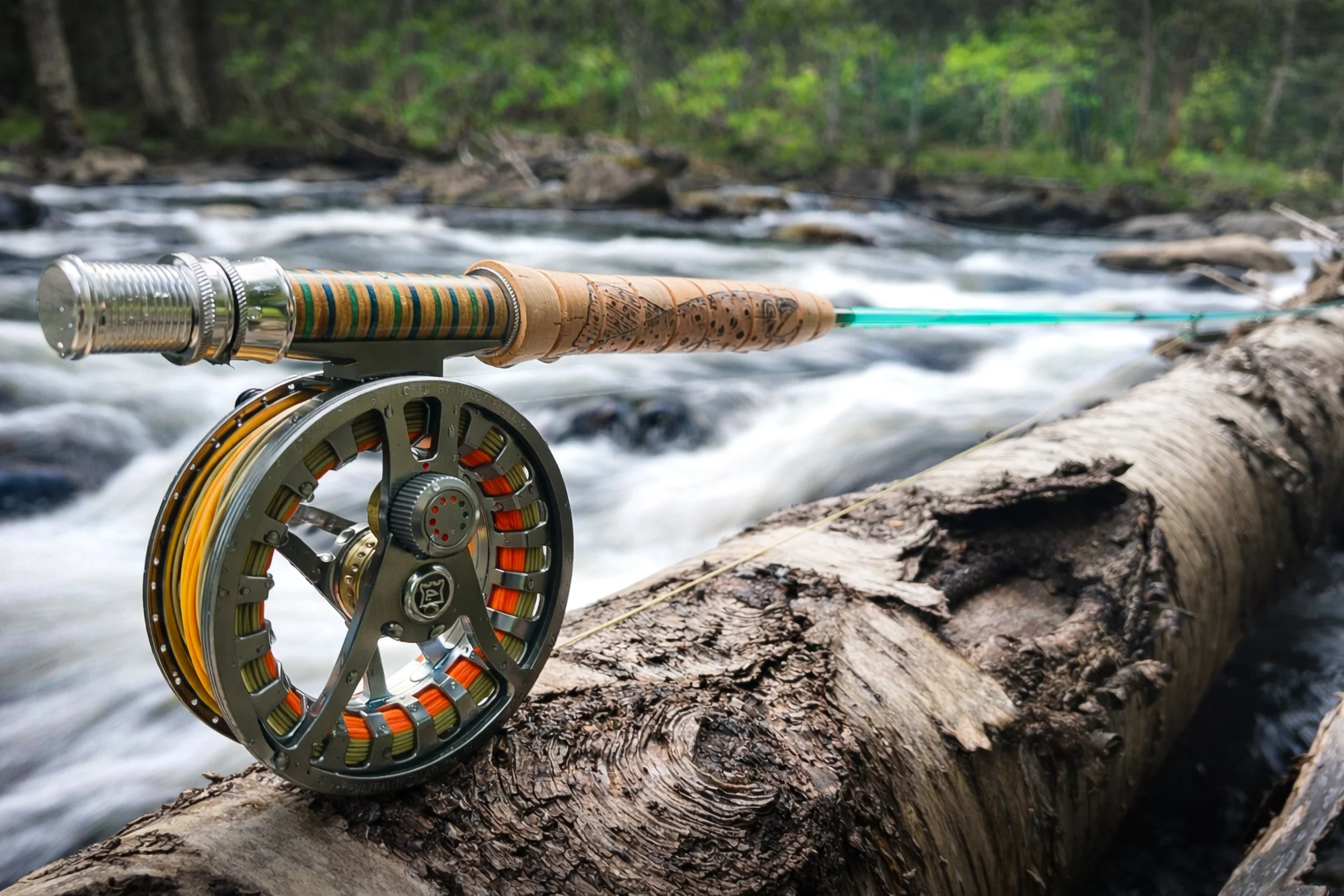
In smaller streams I have, in recent years, fished a 7 ft #3 fiberglass rod built by the talented rod builder Anton Liljegård. The reel seat is made from old skateboards and the grip is vented with a beautiful trout motif. Beyond its looks, it is a magical dry fly rod for small rivers and creeks, and it still handles big trout very well.
Reels
I own and use good reels from Danielsson, Vision, Orvis and Lamson, but if I had to choose only one, Danielsson reels sit at the top for me. They are reliable, beautifully made, and produced in Sweden, which matters to me.
Lines
There are many good fly lines on the market and over the years I have used lines from Vision, Guideline and Scientific Anglers. In my home rivers I mostly fish lines with a head length of about 8.75 to 11 metres, such as the Vision XO 110. In smaller and tighter streams I prefer shorter headed lines like the SA Mastery SBT.
Clothes
When you spend a lot of time fishing, durable clothing is essential, especially in rivers where you often have to crawl through bushes and tight vegetation to get into position. For the past three years I have used waders and clothing from Grundéns. The Boundary GORE-TEX waders have proven extremely tough, both at home and in the mountains where I more or less live in them.
Good stuff
One product I really like is The Fly Bag System. It is an innovative and minimalist way to carry flies and tools, with attachments for tippet, forceps, scissors, floatant and even a smart mount for an action camera. With the FlyBag Hero on my chest I have quick and easy access to everything I need.
Glasses
Polarised sunglasses are essential for me. They protect your eyes, but they also let you see fish and structure under the surface, as well as your leader and fly. I use different lenses depending on the light. Most of the time a copper lens works well in both sun and clouds, and in low light I use a yellow lens.
Floatants
I use floatants a lot, most often Loon Top Ride, which dries quickly and treats the fly very effectively.
2. Leader material, build-up, length and knots.
The leader is extremely important in dry fly fishing. I like long leaders, usually 12 to 15 feet and sometimes even longer. A long leader gives much better drag free drifts and can be crucial in waters where the fish are especially wary. I use tapered leaders from Tiemco, and over the past year I have also fished tippet material from Tellus Fly Fishing with very good results. Their monofilament and fluorocarbon are soft, easy to straighten, and have great strength.
3. Approach and stealth
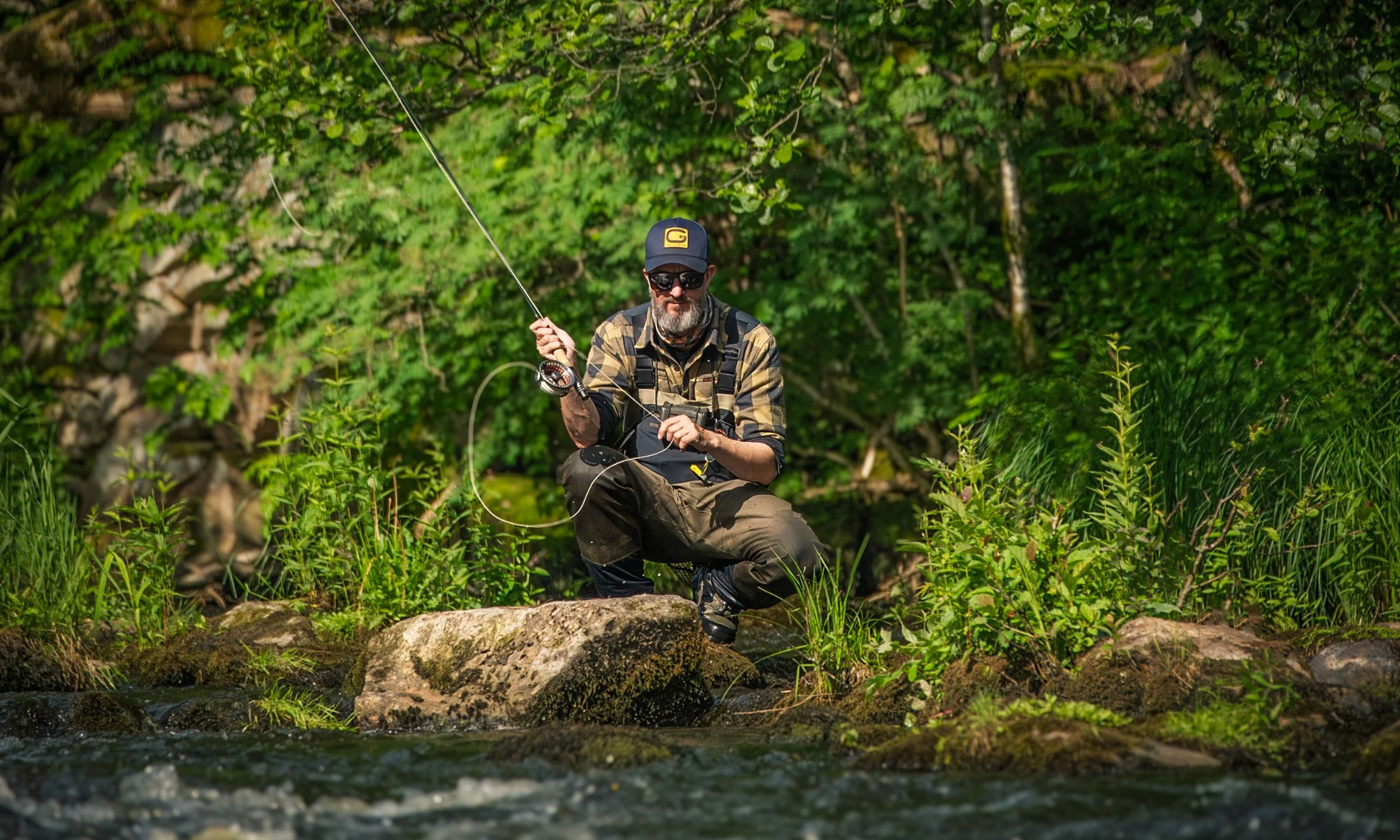
How you approach the water is more important than many people think. It is very easy to spook fish. Keeping a low profile and moving slowly and carefully is always worth it. I pay close attention to where the sun is. Casting a shadow over the water can spook fish very quickly.
4. Reading the water
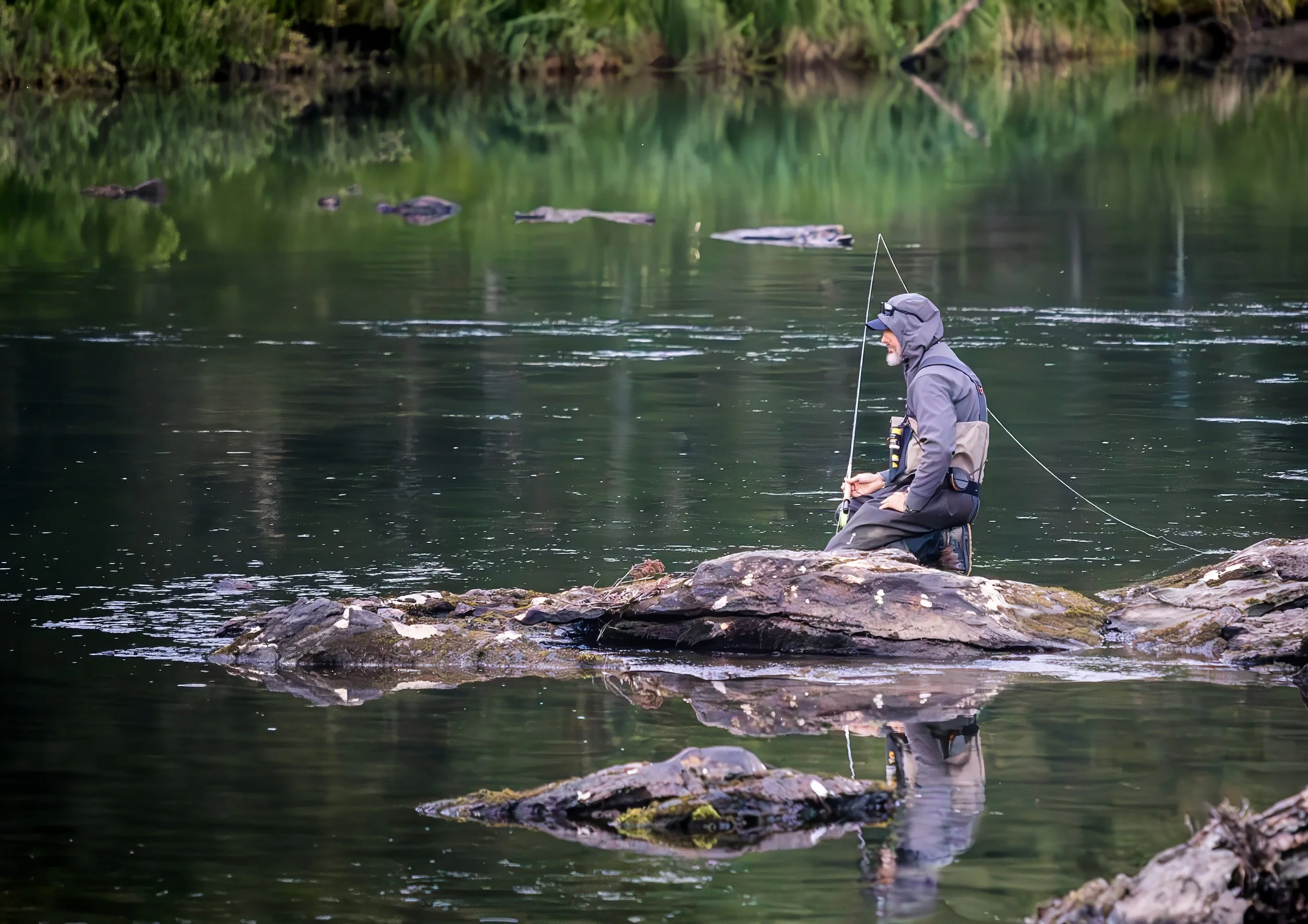
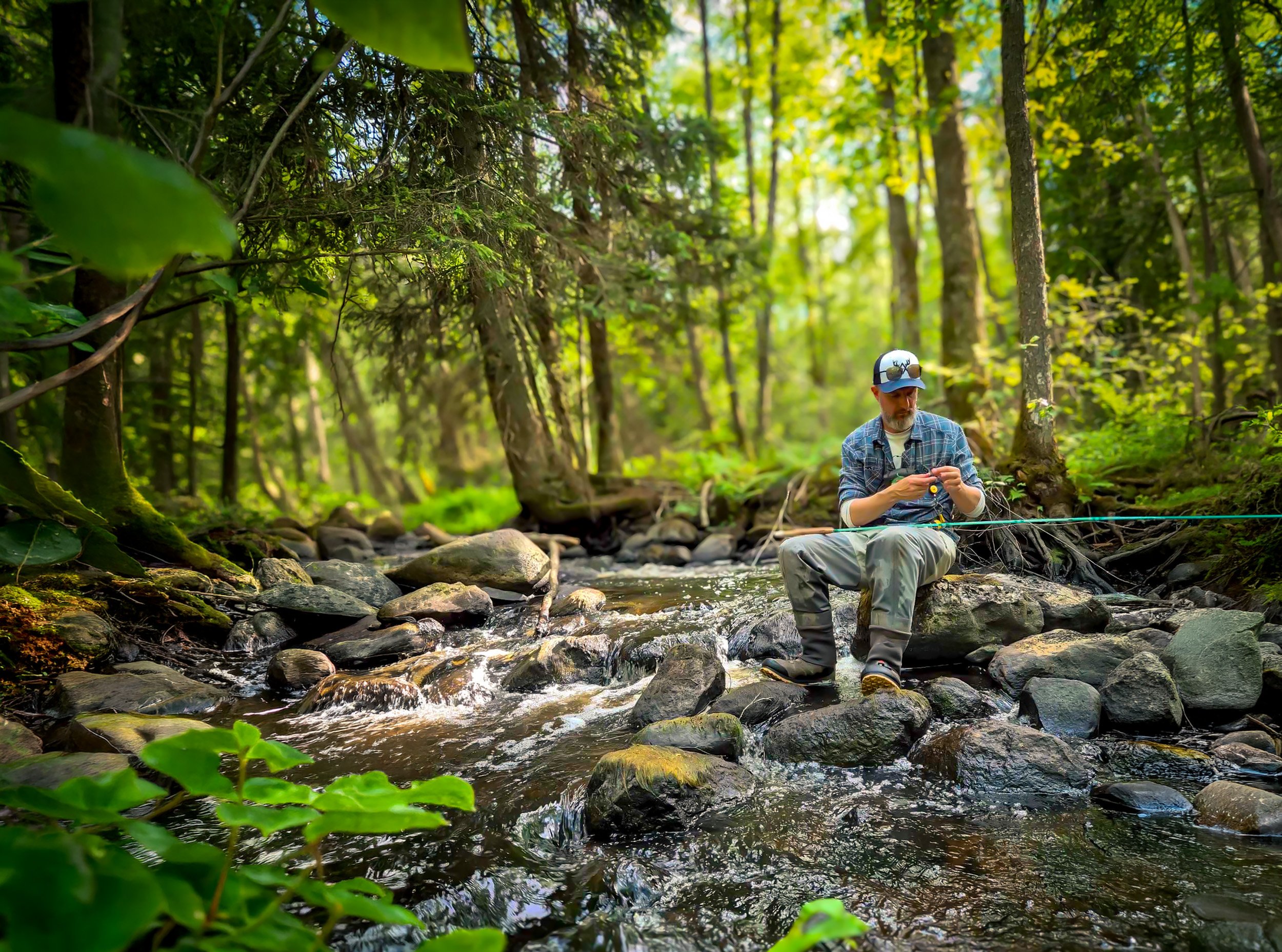
Reading the water is a fundamental part of successful fishing. My best advice is to sit down in a strategic spot where you can see both upstream and downstream. Make some coffee and give yourself time to observe. Look for insects, movement and rising fish. Even in waters you know well, things change throughout the day depending on hatches and weather. Clearing your mind and being present when you arrive at the water is something I have learned to value over time.
5. Casting ability
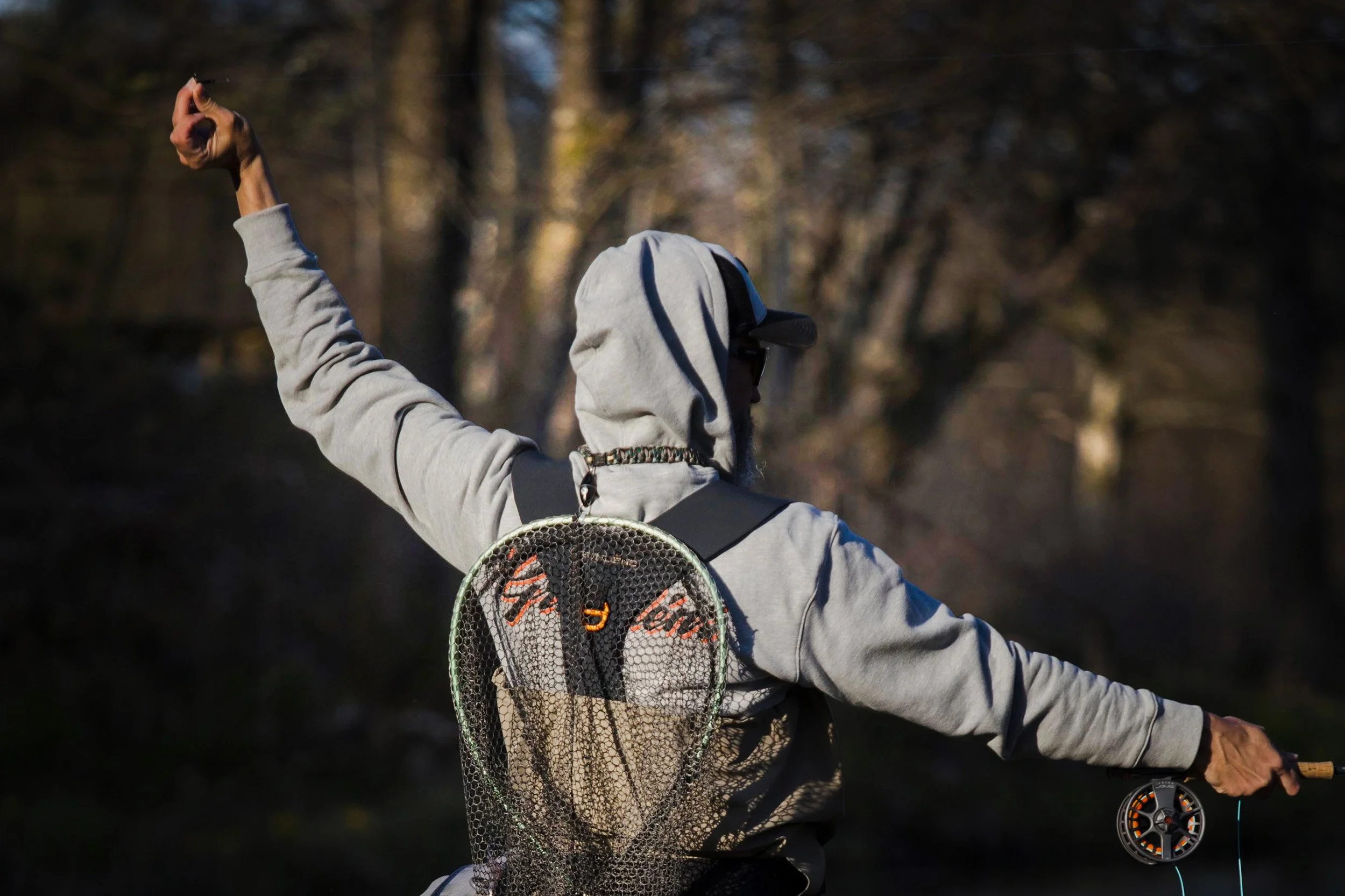
In my home waters I use everything from overhead and underhand casts to bow and arrow casts, of course depending on the situation.
6. Entomology
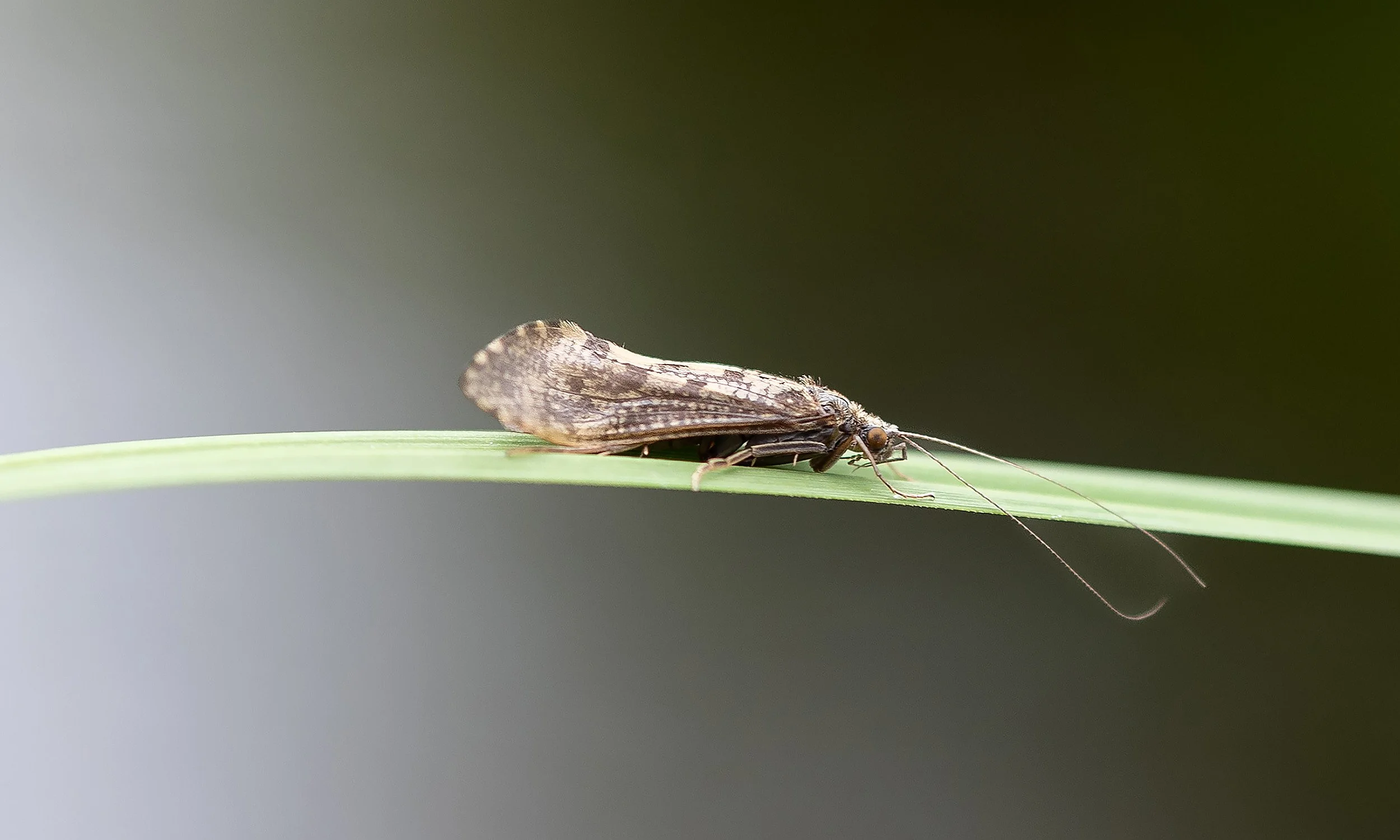
Study the insects. I always carry a small net to sample what is in the water when nothing is hatching on the surface. It can give valuable clues about what is coming. Knowing what the trout are feeding on is often crucial. My camera is an important tool for documenting insects so I can later tie better imitations at home. Binoculars are also very useful, both for spotting rising fish and for seeing small insects at a distance.
7. Rise forms
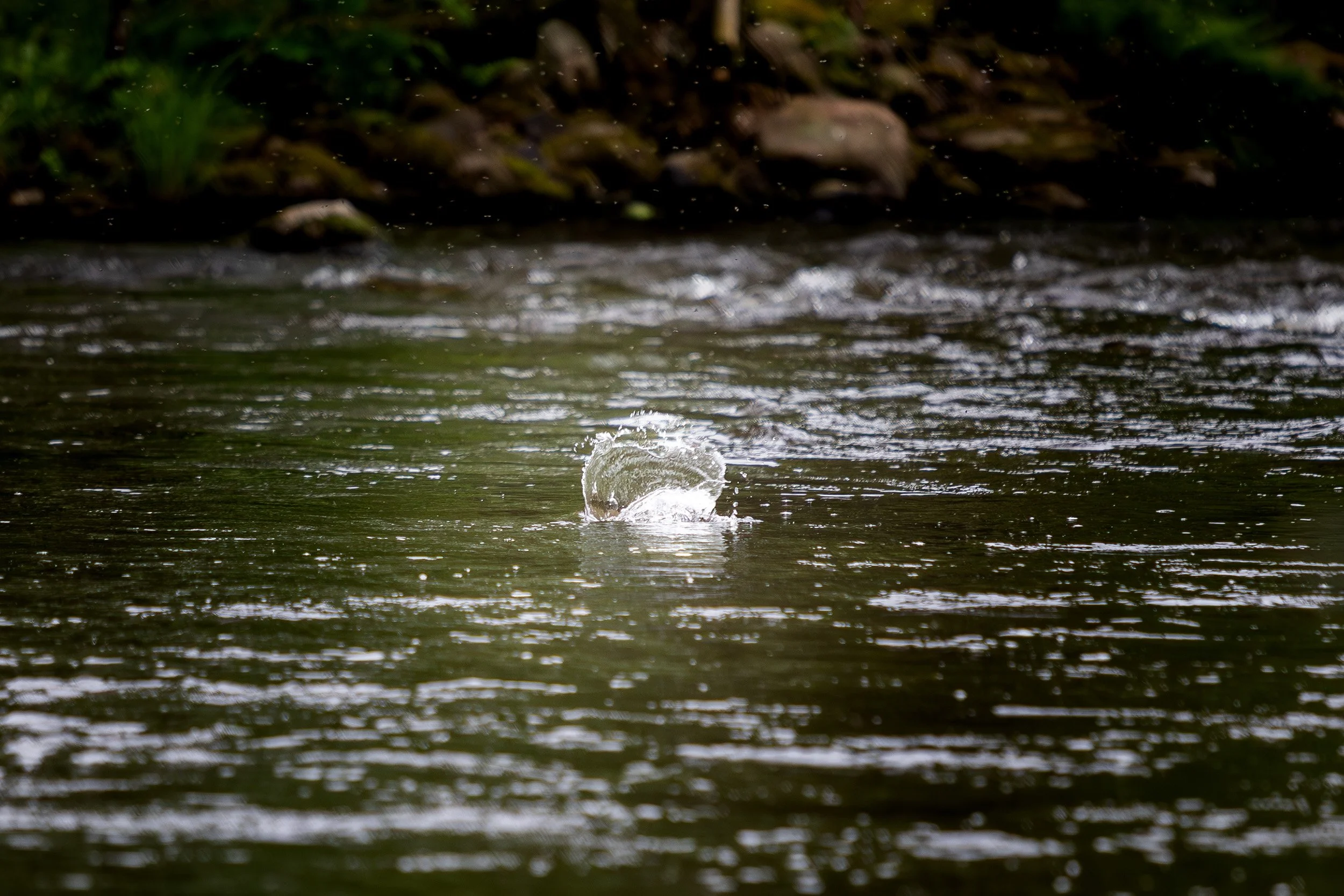
Absolutely. Fast, splashy rises often indicate insects that have just hatched and are about to take off, or insects laying eggs on the surface. Gentle, subtle rises are often fish feeding on spent insects in their final stage, which are easy prey.
8. Fly selection
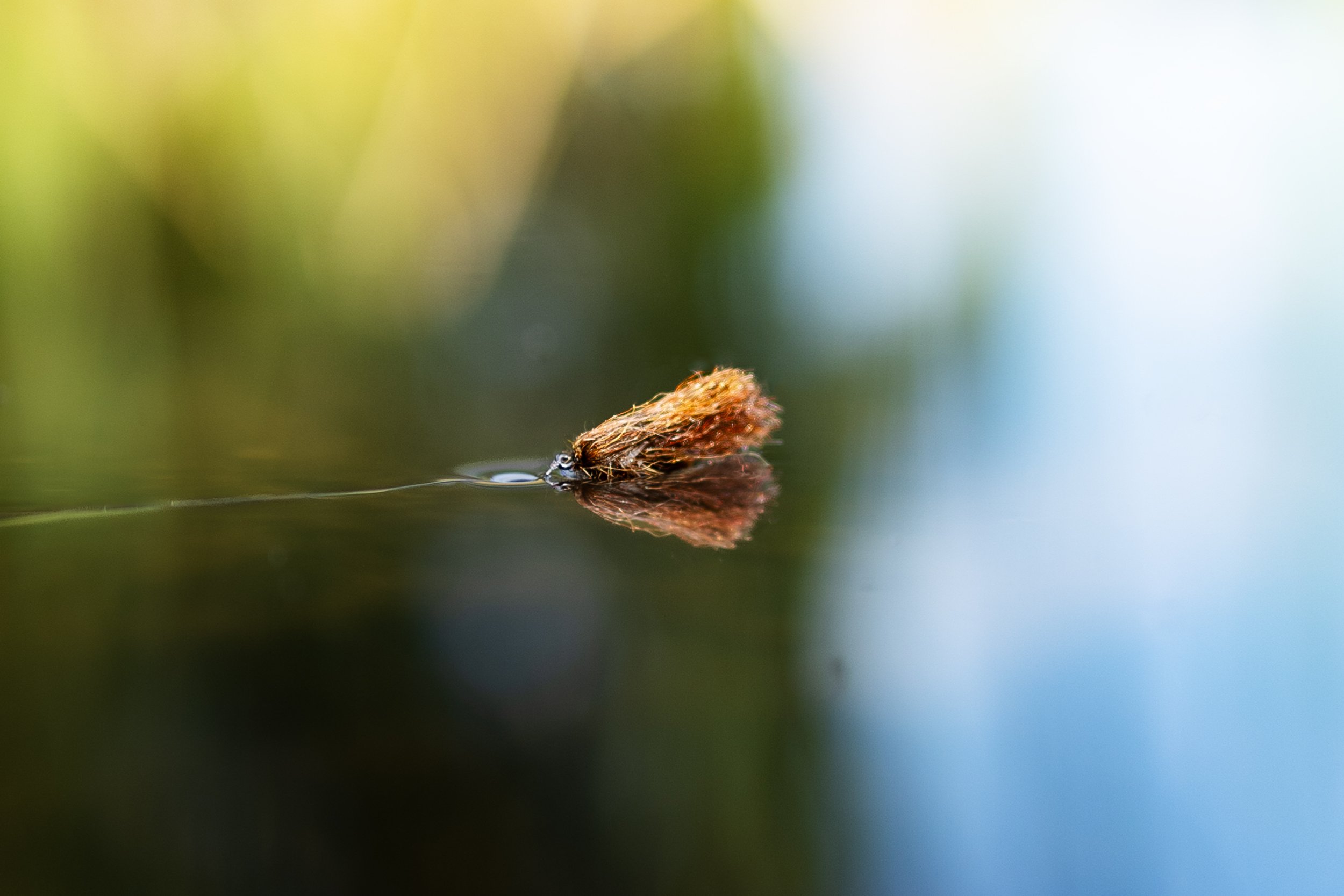
Fly choice and size vary depending on the water I fish, but in general I start the season with smaller mayfly imitations. The peak of the season comes when the larger mayflies hatch, especially Danica and Vulgata. Looking at the whole season, caddis imitations are the most consistent and important flies in my home waters.
When it comes to materials, I often use beaver dubbing, snowshoe hare and SLF. CDC and deer hair are common wing materials in a lot of the patterns I fish, and I also use quite a bit of synthetics like poly yarn and chenille.
9. Presentation and drifts
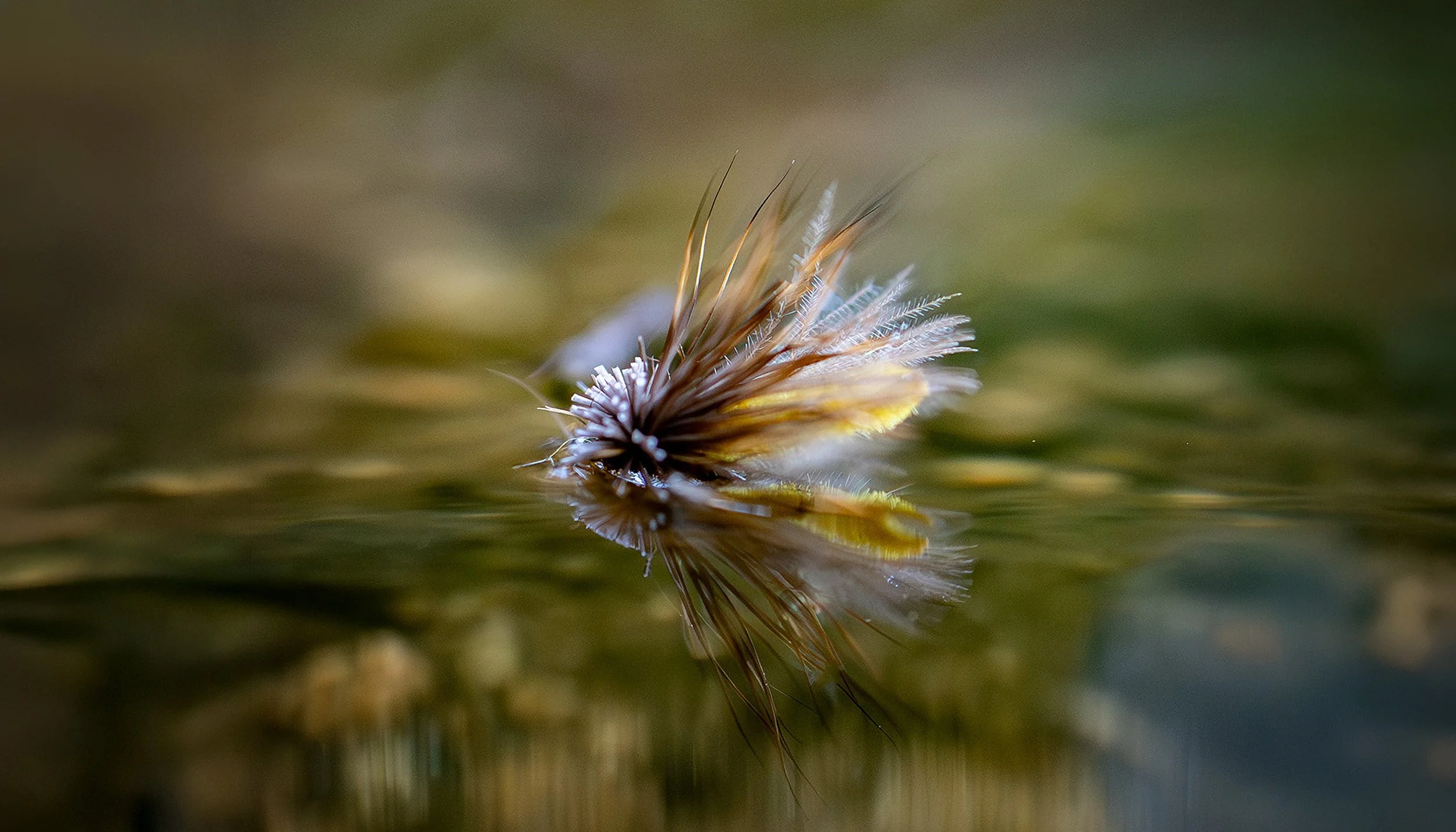
A good drift is often drag free when fishing mayflies and other emerging insects. But during caddis hatches it can be very effective to move a floating caddis pupa or freshly hatched adult across the surface.
10. Upstream or downstream
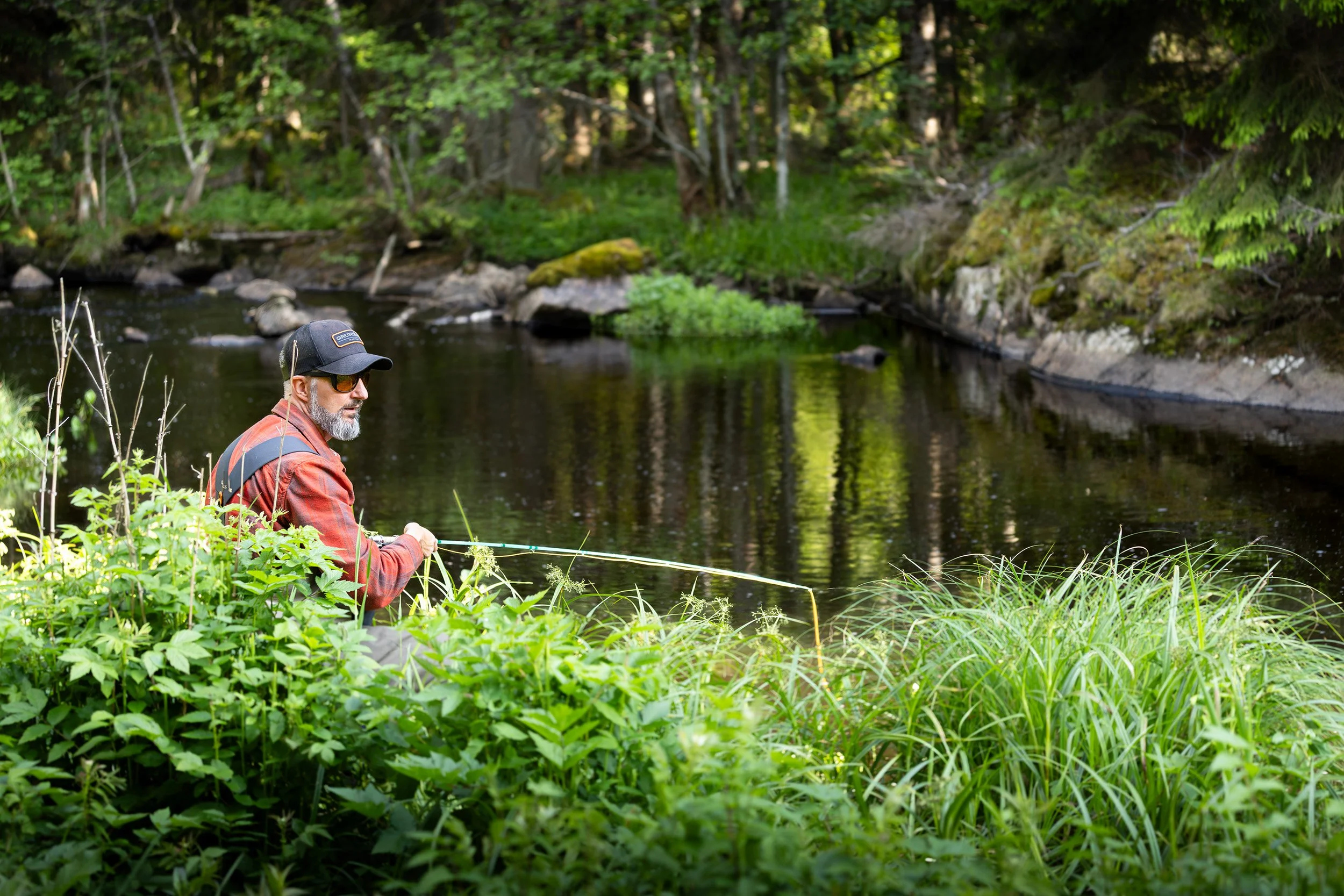
Most of the time I fish upstream because the fish see less of me, and I find hook ups are generally better with upstream dry fly fishing. When caddis pupae are swimming in the current I also fish downstream. Then I use slightly heavier tippet, as the takes can be very aggressive.
11. Fighting fish
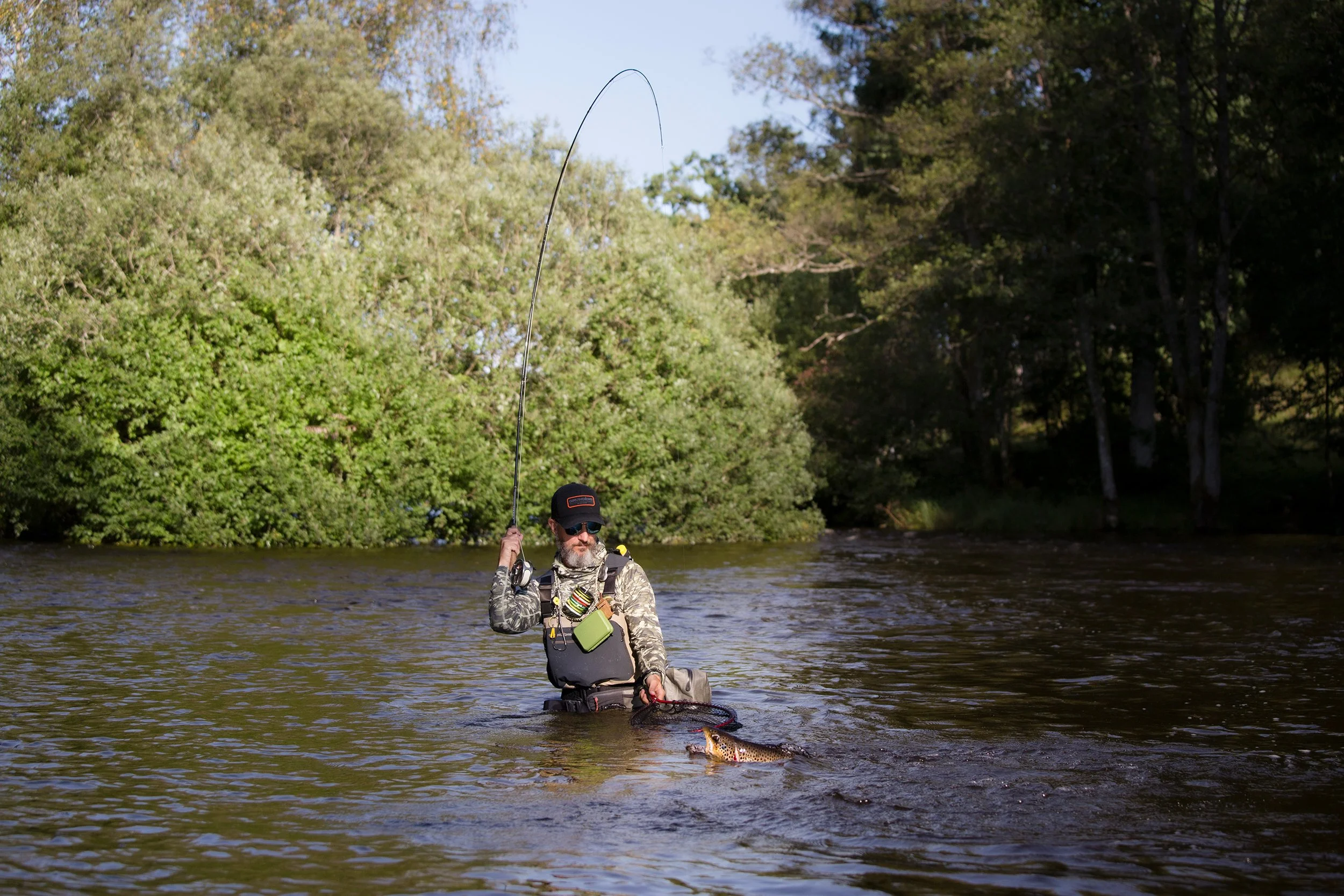
It depends on the water. In rivers with lots of fallen trees and bushes I try to put as much pressure on the fish as possible. When a big trout runs downstream I will always follow if I can. It is a balance between being firm and gentle. You cannot rush it, but you should also avoid playing the fish longer than necessary.
Paul Svensson
Photos: Paul Svensson, and friends