Tomas Skoging
1. Choice of equipment — rods, reels, fly lines, floatants, clothes, glasses, and other useful items
I’m an old-school guy with a minimalistic taste in gear when I’m out on the river.
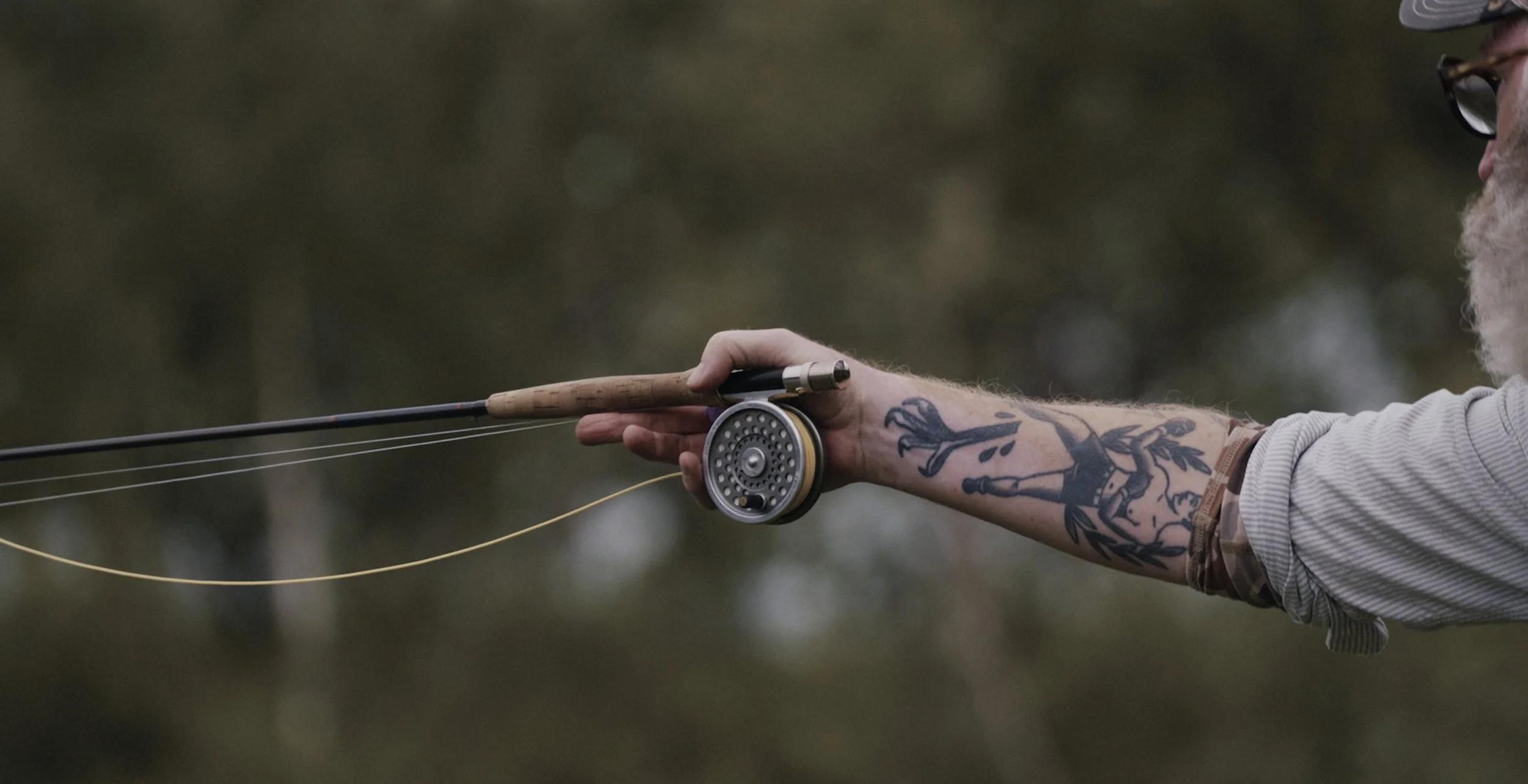
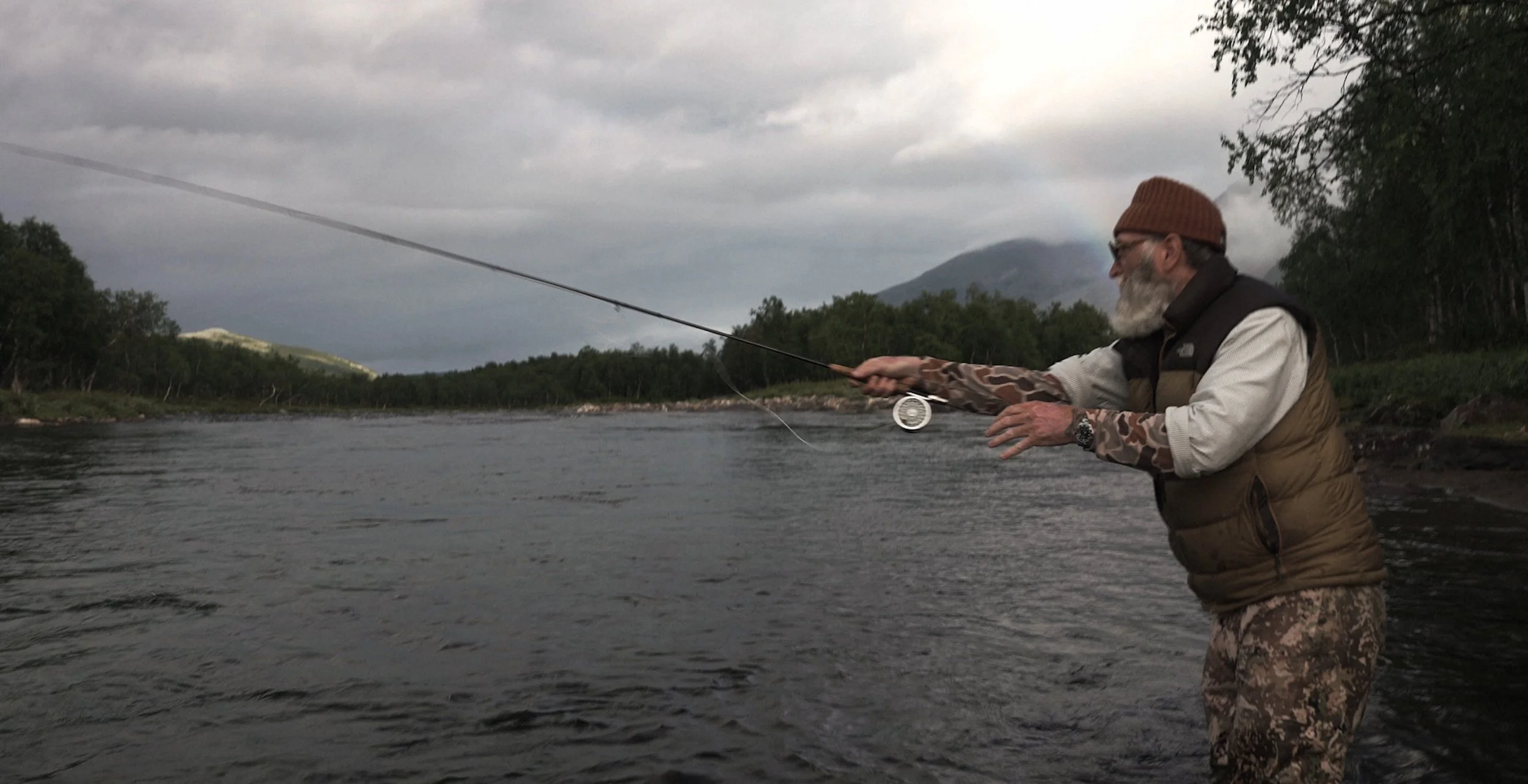
I truly love the sweet sound of a screaming click reel when a trout pulls out line — and backing, if I’m lucky. I have a few classic Hardy reels and two hand-built Molin reels that I usually fish with. My favorite rods are from Winston. And here I’m not all about performance — a rod in a sophisticated color with a hardwood reel seat, a nicely shaped cork handle, and silver details matched with an old-school click reel is something very beautiful to me. I love that feeling in my hand.
But my main two workhorses are from Hardy. I usually bring one 9ft #5 and one 8ft #4 with me, both loaded with Vibe85 lines from Vision.
When I’m out on the river, I like to dress simple but stylish.
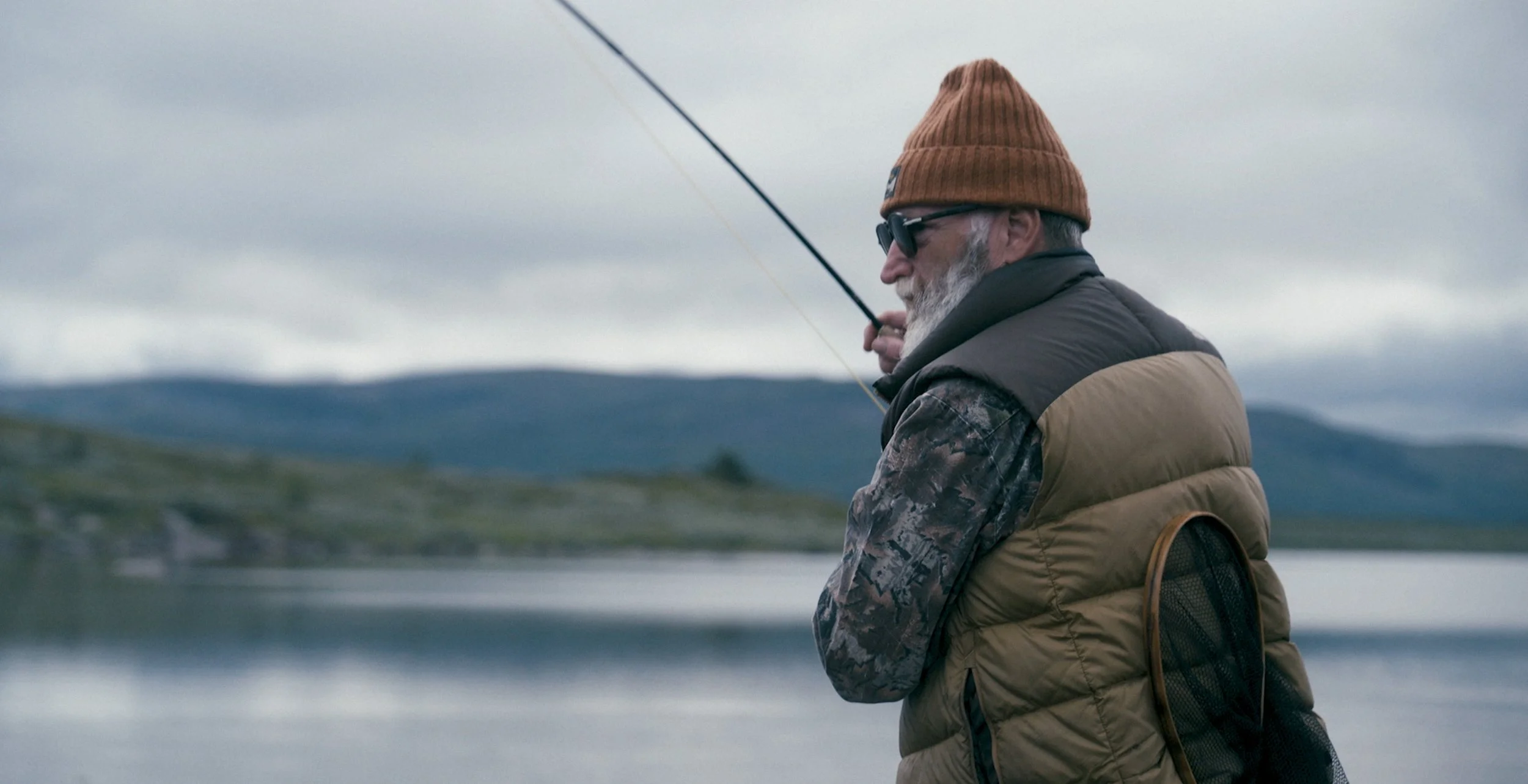
Waders and boots from Simms. On top of that, I prefer a proper Oxford shirt in high-quality cotton and my old vest from The North Face. A vintage hat or a cap, plus my polarized shades from Dior. All my tools hang from a simple leather band around my neck, the net tucked into my belt, and a sling bag with fly boxes and a beer.
One day I see myself in a small cottage by a beautiful river far up north in Sweden. There I can dress in full tweed and have my split cane rods hanging on the wall, ready whenever the big trout are rising.
2. Leader material, build-up, length, and knots
No fancy setup here. If it’s a sunny day by a beautiful, slow-running stream, I’ll go with a 12ft leader with a 5X or 6X fluorocarbon tippet — almost twice the length of my rod. That would be my default setup. If weather and water are rougher, I go shorter and thicker.
Knots? I use the simplest ones and tie them carefully. But maybe I lack mojo — I feel that I too often miss the big ones because of a bad knot…
3. Approach and stealth
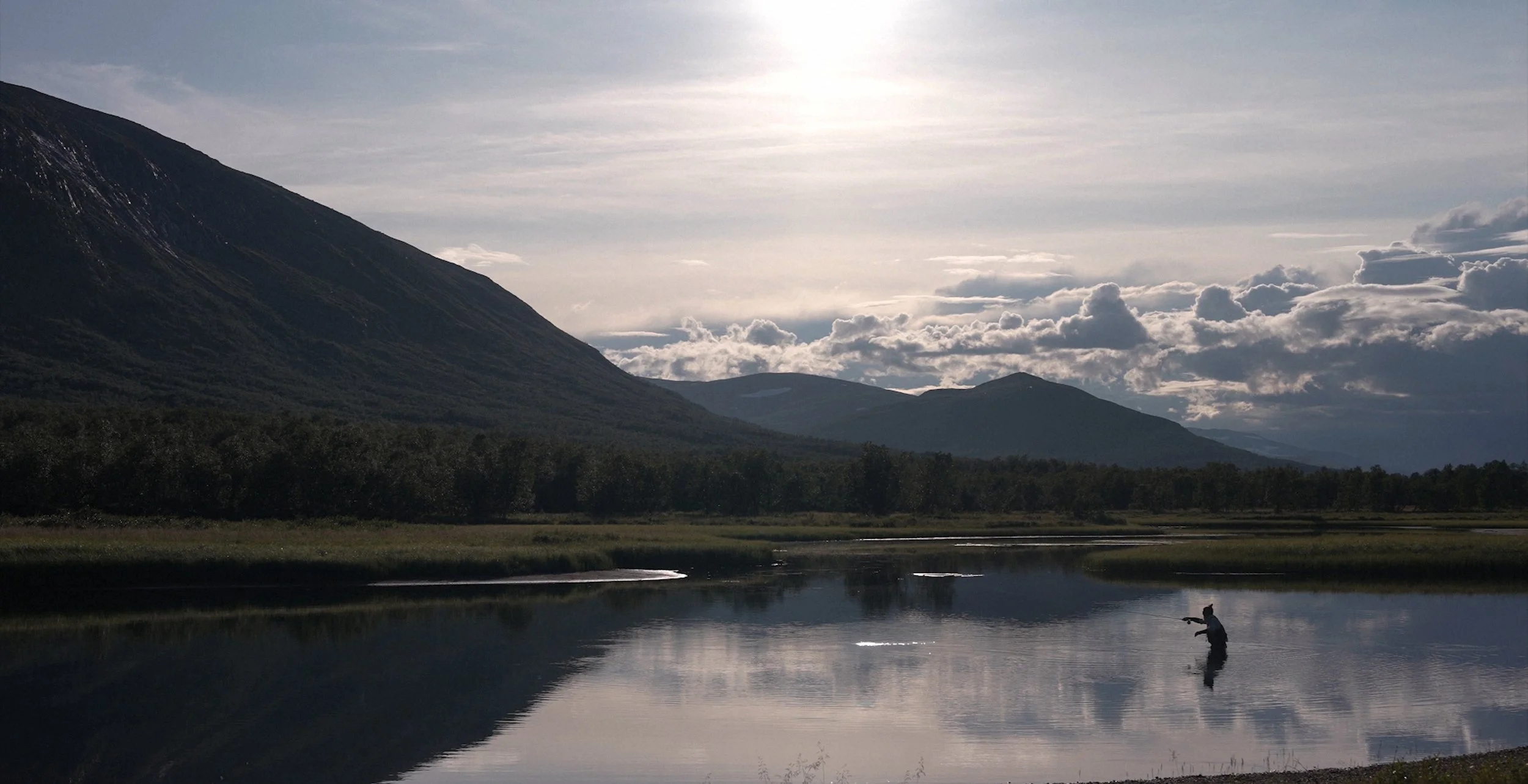
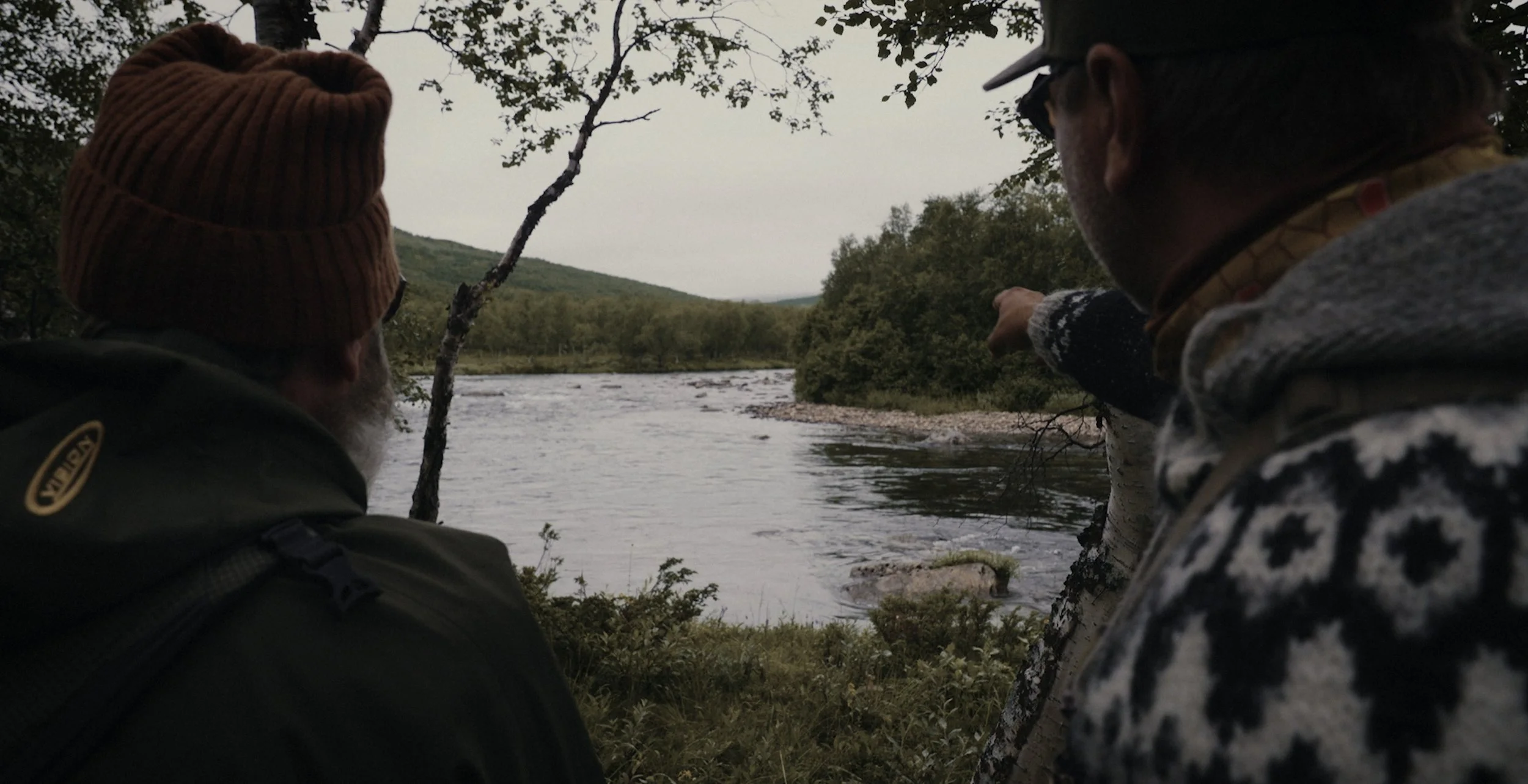
I always feel excited when approaching new water, especially if it’s a slow and beautiful stream with trout. There is something very special about a wild, untamed river in the northern Swedish mountains. It’s the most beautiful scene you can imagine. So I approach it slow with respect. Keep a low profile when needed. Be patient. This is a big part of the thrill and excitement — especially when sight fishing in gin-clear water.
Nowadays I never just stomp into the water and start whipping my fly line like I did when I first started. A steadily rising trout won’t move from its pole position on a good day, so there is no hurry. Be chill, sit still and carefully plan your approach. You might just get one chance.
If you approach the fish from behind, upstream, you can get very close without disturbing it. From the front, it’s very hard. Sometimes I know I will spook it — but then I position myself perfectly and just wait. Sometimes 30–40 minutes. I have plenty of time to make a few casts and practice the drift. And when the trout returns and starts rising again — that feeling when you finally catch it is incredible.
4. Reading the water
This is something I enjoy the most — sitting by the water while my eyes scan the currents and ripples for any rise. It’s both relaxing and exciting at the same time. I can easily sit there for half an hour before deciding what to do, especially if I’m there with a good friend and a cigarette.
I can’t say I’m very good at reading water or planning my approach, but I’m getting a little better every season.
5. Casting ability — which casts are essential
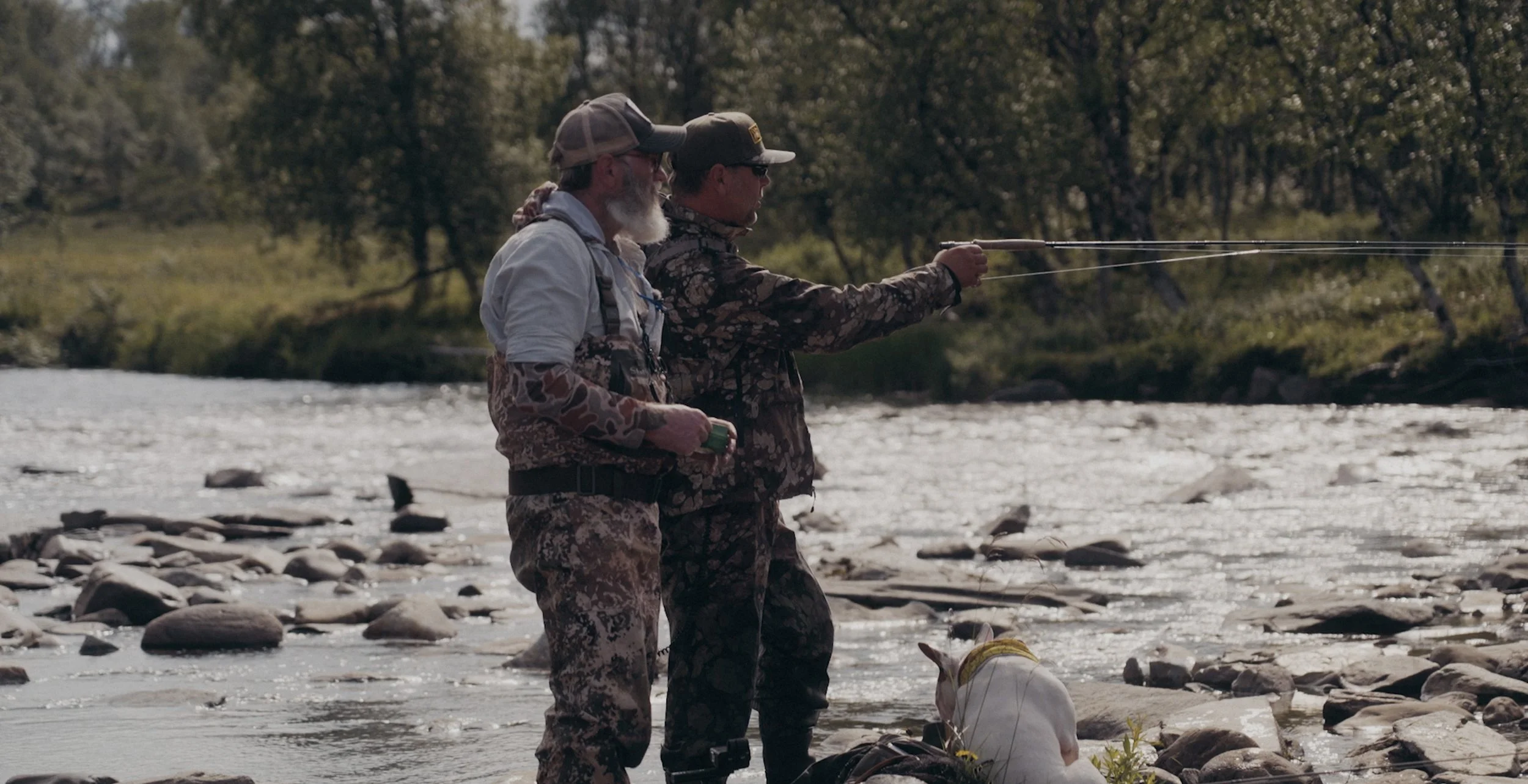
There is something poetic about watching someone handle a fly line in the air with perfect control. It’s like a conductor directing an orchestra. It looks so easy. And so beautiful. I wish it were that easy in real life.
A couple of years ago I spent a week on my own far up north. The weather and fishing weren’t the best, but I had a great time. I gave myself a roll-casting boot camp that week — and wow, that was a hallelujah moment. It opened up a whole new world. Suddenly I could fish places I never could before, simply because I didn’t have to worry about my back cast anymore.
That’s why I have my rods loaded with Vibe85 lines. The Vibe85 is a very aggressive WF line, perfect for roll casting in my view. I enjoy the flexibility that gives me along the river far more than mastering very long casts. I might try the Vibe on a rod with a slightly slower action to improve the cast even more.
6. Entomology — what should we know
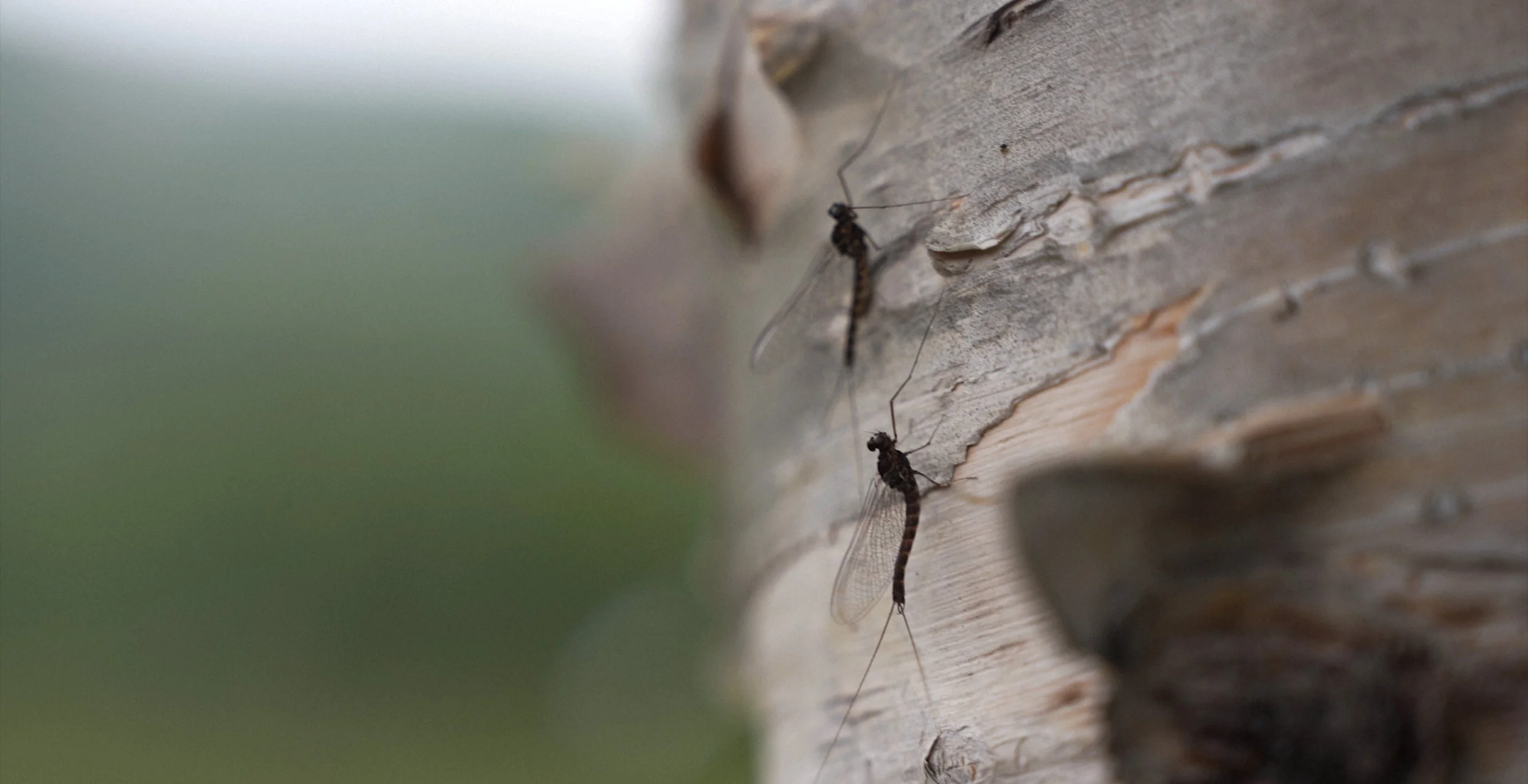
I can identify a handful of the most common mayflies and understand their life cycle, but I’m not sure I hook more fish just because I can identify exactly what is hatching. Caddis exist in hundreds of species — I mostly look at size and color.
Many of my friends catch more fish than I do with completely random flies. But it is definitely more fun when you fool a fish with a fly you tied yourself that perfectly imitates what’s hatching. That’s full-circle satisfaction — and it boosts my ego for a couple of minutes.
8. Fly selection — size, shape, materials, essential flies
The funny thing is how stressed I get before the season, thinking about all the flies I “need” to tie and fill my boxes with. When the season is over and I look into those boxes, I realize I probably fished 5% of them — at most. And it’s always the same old flies that work best.
The best caddis pattern overall is Frubbers — F-flies with rubber legs. Dyret (The Beast) is also a great caddis pattern. As a caddis pupa imitation I go for the Superpupa, a very classic and simple pattern. That’s really all I need for caddis.
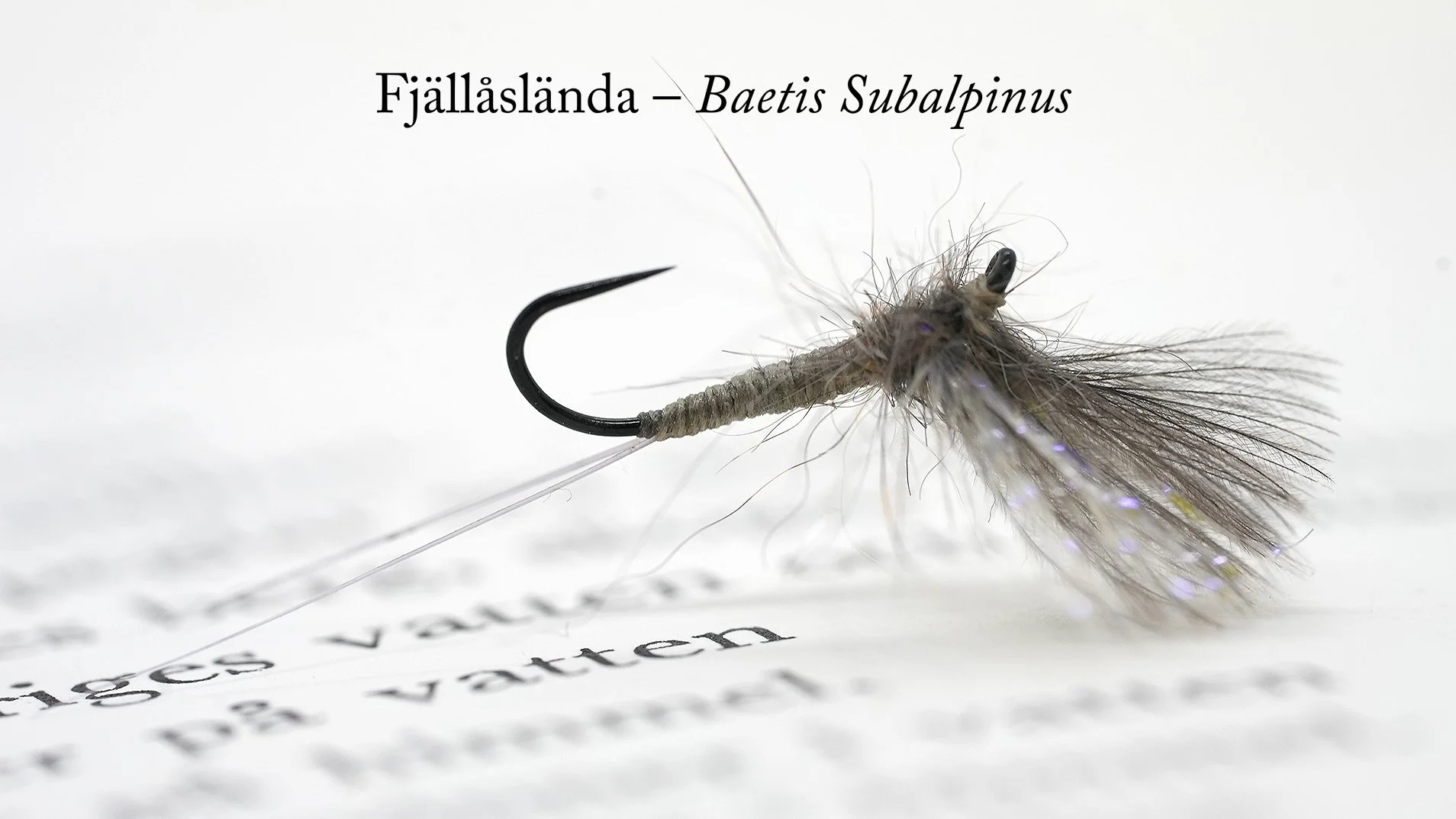
For mayflies I usually go for different Shuttlecock patterns in various sizes and colours, plus a bunch of classic tied cripples. Those five patterns cover 95% of all my fishing in the summer.
And out of those five, my favourites are Frubbers and Shuttlecocks. Both are tied with CDC, which is outstanding when it comes to floatability. So this year I’ll make sure my boxes are properly filled with these five classic patterns.
9. Presentation and drifts
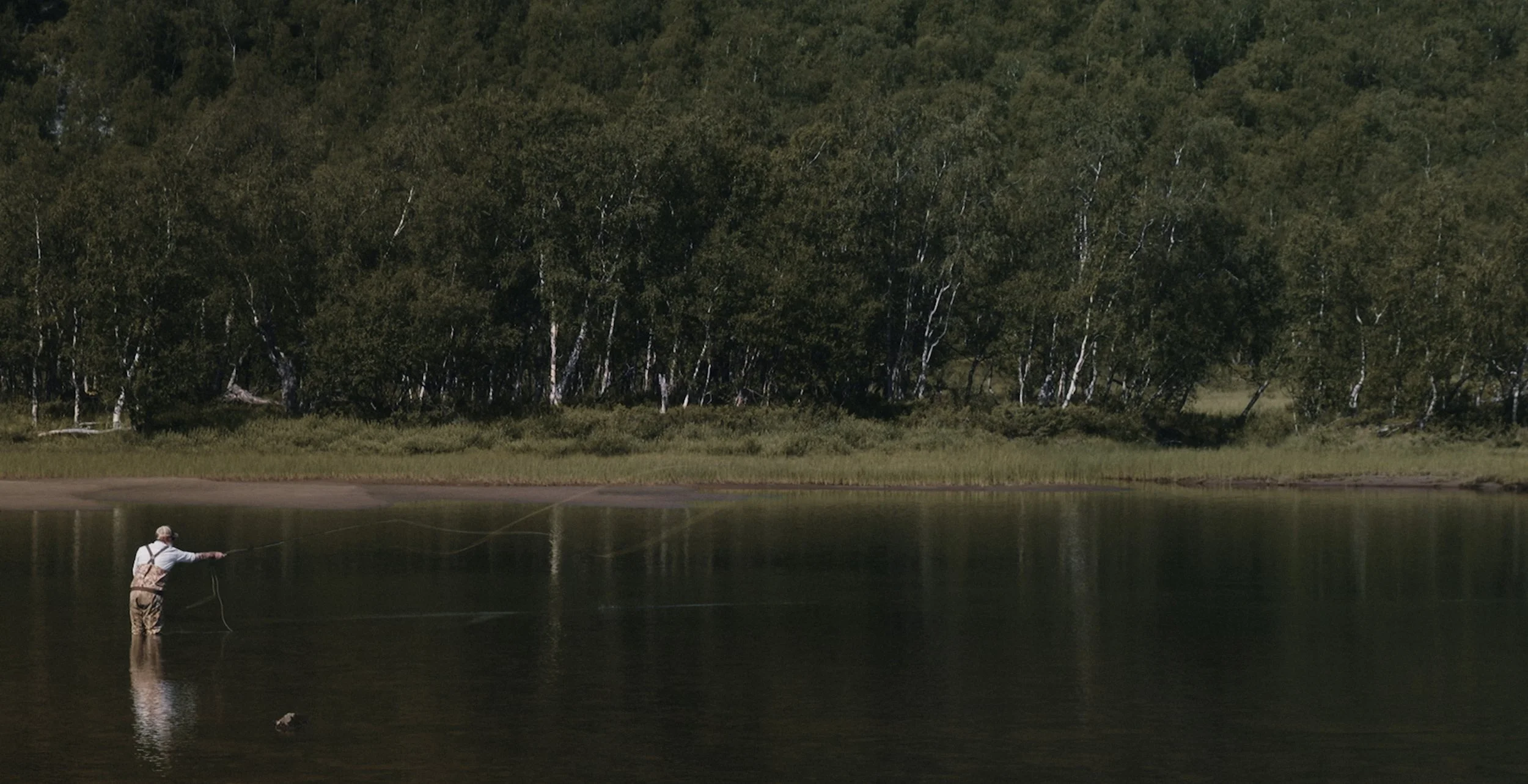
I always return to sweet memories of being on my favourite river on a sunny afternoon. Slow water. No wind. That is a perfect day for me. And a perfect day demands a perfect drift.
As soon as I spot a rising trout in the crystal-clear water, I make my cast, mend, and quickly adjust the drift if needed. Now the whole drama unfolds. Your fly floats well. The drift looks good as it approaches the trout’s position. The trout has all the time in the world to scrutinize the fly and decide if it’s worth eating.
One unfortunate twitch in the drift — or a flash from a crumpled tippet — and you spook it. Or the trout simply refuses. You change fly and try again. Hopefully you get another good drift.
That moment is the most exciting I know. That thrill is unbeatable.
10. Upstream or downstream?
I wish we always had the luxury to choose. But in reality, we rarely do.
If I could choose, I’d fish every trout from 40 feet behind at a 30-degree angle. But how fun would that be? I enjoy the challenge of adapting to each situation — adjusting my casting to achieve a good presentation and drift.
Sometimes I can sneak up from behind and get very close. Lucky me.
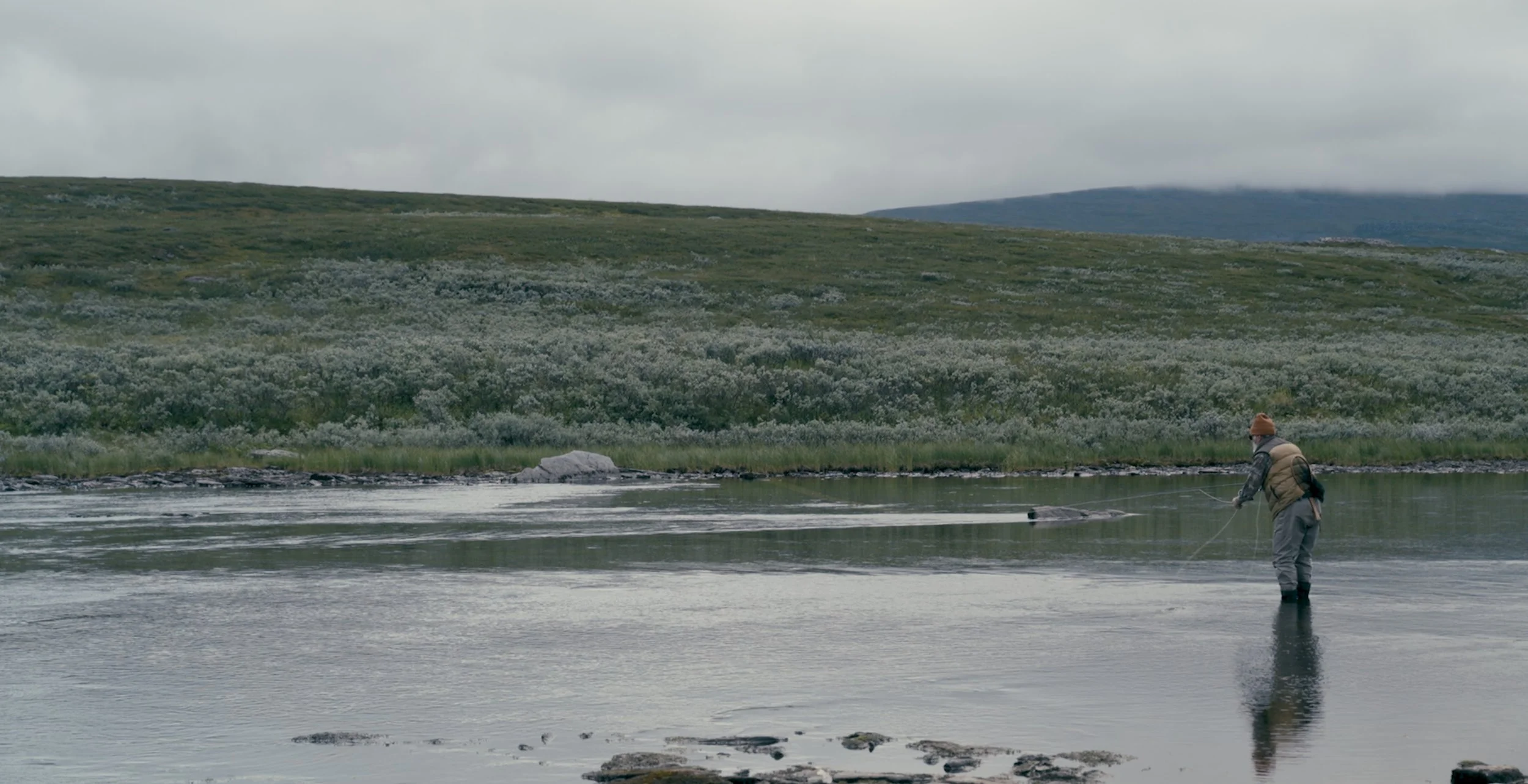
Sometimes the only way is from far upstream, letting the line out rather than casting it and watching the fly float down to the sweet spot.
And sometimes it’s simply impossible to get a good drift and I end up frustrated.
But all of it is part of the game — and all of it is fun.
11. Fighting fish
So the presentation was good. The drift was good. Then — bang. The trout strikes.
For a split second I’m startled every time, like I didn’t expect it to happen.
When the trout runs and the reel starts screaming, I take a deep breath and enjoy the moment instead of panicking like I used to. How big is it? How’s my knot? Is the tippet okay? My brain starts bouncing between questions.
My confidence slowly builds as I find balance in the tug-of-war and start gaining line. But you can never be too confident — anything can happen. It’s very easy to mess it up. We all know that bitter feeling.
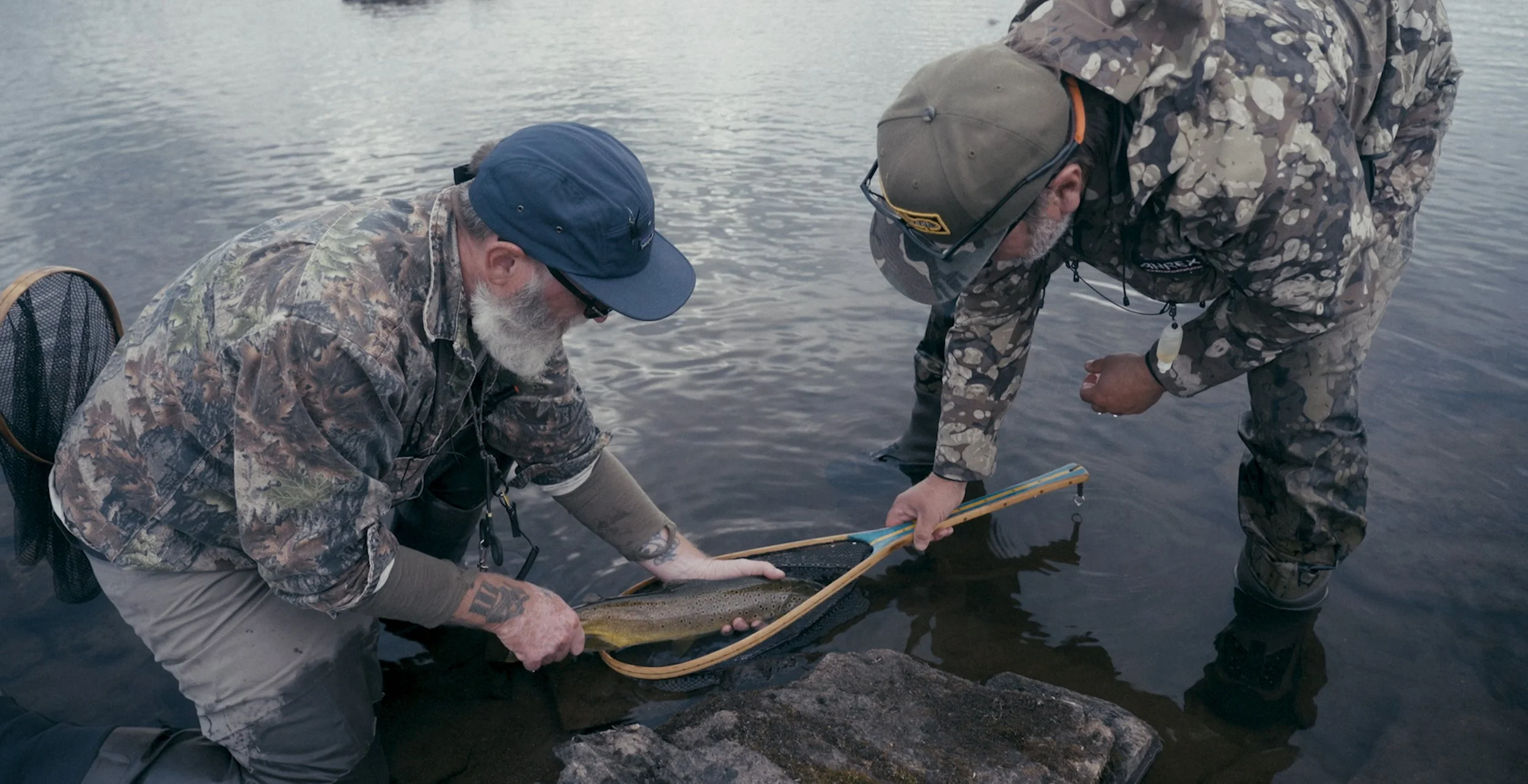
But if I manage to land a good fish after a proper fight — that’s 100% satisfaction.