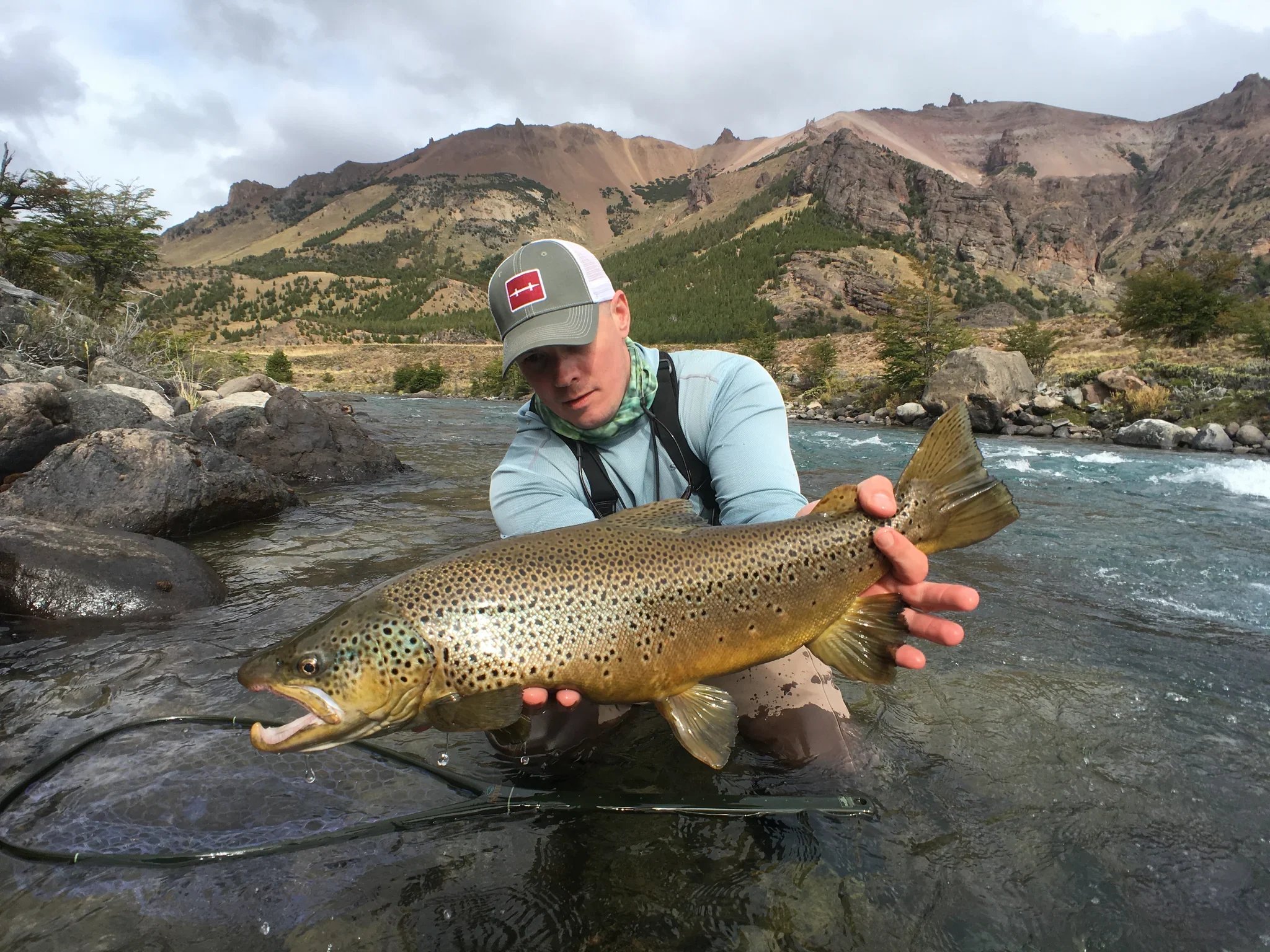
Rich Strolis
1. Choice of equipment Rods, reels, fly lines, fly floatants, clothes, glasses, and other useful items.
I frequently fish a nine foot five weight when dry fly fishing as it offers me the most versatility and works well under a wide array of conditions. Although many anglers push for lighter rods in 2,3 and 4 weight sizes mostly because they feel they can present their flies more delicately and possibly protect lighter tippets; they fall way short in power when faced with windy conditions. The only caveat to this is when I am fishing smaller mountain streams for trout, then my default is either a 3 or 4 weight fiberglass rod of six and a half to seven and a half feet in length. The shorter rod makes it much easier to navigate a smaller stream that is canopied by trees and banks of brush where many times you might not even perform a traditional cast. The fiberglass rod is also a slower action rod, and bends into the grip. I enjoy this in those settings because even the smallest of trout will put a bend in the rod and provide an added layer of fun. My current favorites are a Reddington Butter Stick and Thomas & Thomas Lotic.
Reels like rods are a personal choice and in my opinion play less of a role in importance when trout fishing. In today’s world we have so many great choices in reels, and quite frankly are overkill in most trout situations as the drag on many feel as though they could stop a bus. For my nine foot five weight Marksmen I use a Hardy Euro Averon Fly reel as it pairs nicely with the rod and feels light in hand. This particular reel is unique in that it has 3 different sized weights in half ounce increments from .6, 1.2 and 1.8 ounces that you can interchange in the frame to balance with whatever rod you are using. Balancing the reel with your rod can be problematic and this feature makes that extremely easy. For my fiberglass rods I am a bit of a hopeless romantic and fish a Hardy Featherweight for all. The click and pawl reel is all you really need in a small stream setting as the fish you catch there typically don’t take line.
Fly lines are yet another personal preference, and in most cases the angler should be able to make anything work. Lines are one of my obsessions and I frequently tinker with many of the new lines that come to market. That being said, I find that I continually crawl back to fishing either a Wulff Triangle taper weight forward color olive in a 5 weight, or a Cortland 444 peach. For my fiberglass rods, its either a Cortland 444 Peach double taper or 444 Sylk Double taper line as they both pair nicely. Those lines in particular last a very long time especially if the streams you frequent are so small that you can hop across them as you find you rarely cast much fly line when fishing them due to their size.
For floatants, I use a mix of powder, liquid and gel type to cover all the various types of flies I might fish. I have forever been a fan of Mucilin silicone paste and use it on everything but CDC winged flies. For powdered floatants, I use frogs fanny or Loon dust as the brushes in both afford you the ability to work the floatant into the fly and bring the wings back to life and floating high. For liquid I really like Loon’s Fly Dip or Flyagra as they both work great as a pretreatment when off the water. I typically will dunk a freshly tied fly into these right off the vise and let them air dry before putting them in my fly boxes. Fly dip is great as you can use it on CDC and works well stream side in a pinch.
Polarized glasses are helpful when trout fishing, and help cut glare from light reflection on the waters surface. I often use a copper or brown lens glass fishing during the day, and an igniter lens under low light conditions. In all honesty however, I sometimes find that I take my glasses off as it makes it easier to spot rising fish especially when the light fades or you have varied shadows or glare. The ability to cut the glare and see through the water is often best when fishing subsurfacely or in situations when you are locating targets that haven’t yet resorted to surface feeding.
Like most, I make an attempt to wear clothing that is muted or more natural in color. Any article or fishing tool that I may need like clippers, forceps or any other metal object that is shiny stays in a pocket or inside my pack while fishing as it can easily reflect sunlight and spook trout. The only time I consider wearing any camouflage clothing is in a small stream setting as blending into the surroundings can give you an advantage in getting into the best position to present your fly, and I never step into a river or stream without a brimmed baseball cap.
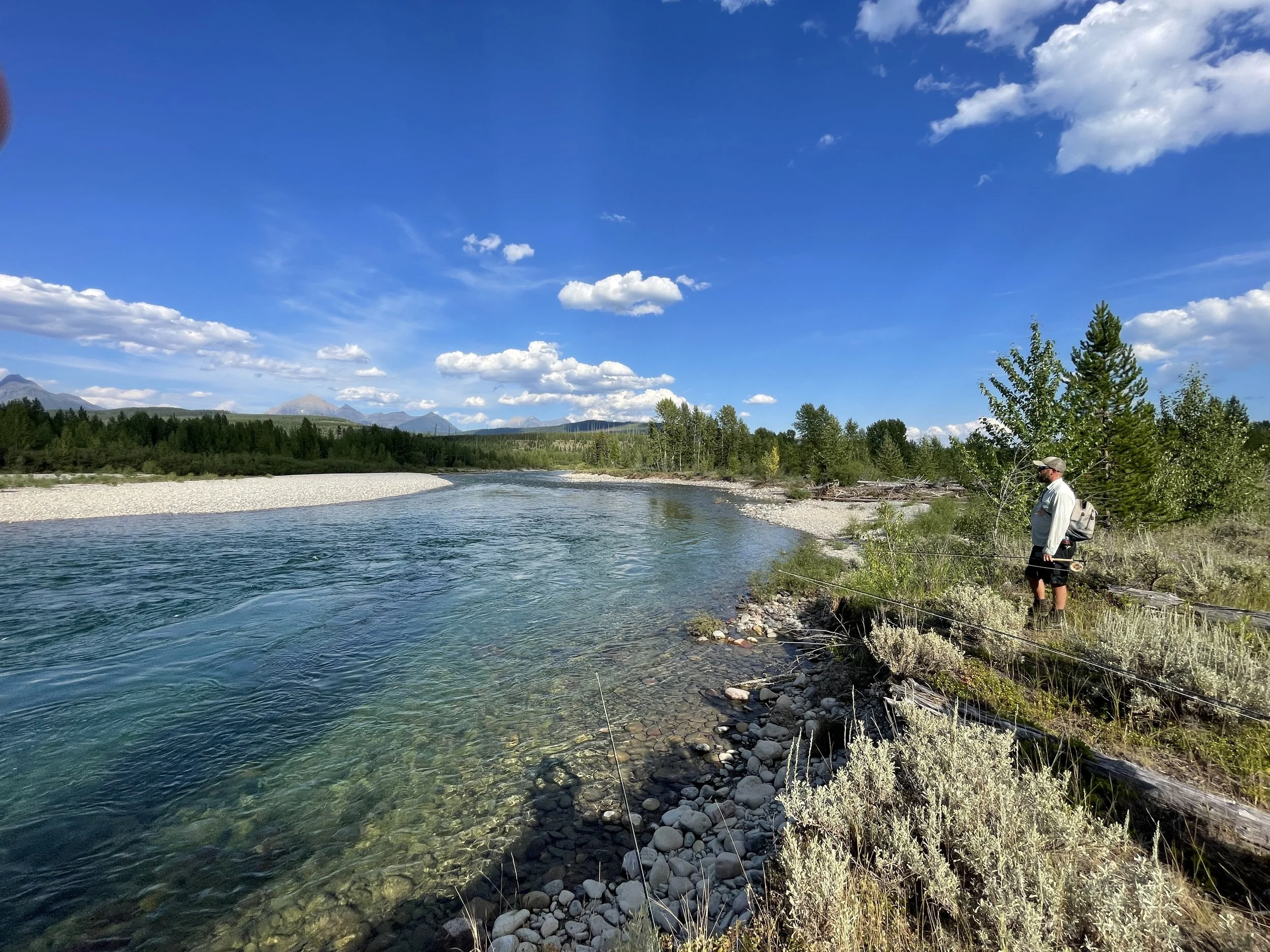
2. Leader material, build-up, length and knots.
For dry fly fishing I still use monofilament over fluorocarbon. My primary reason is fluorocarbon seems to be a bit more stiff as I prefer material that has some stretch and will curve on the surface to aid in combatting drag. I prescribe to the idea of using the heaviest tippet that you can that will still allow you to catch fish whenever possible before downsizing my tippet size. A George Harvey slack leader is the design that I follow, whether I build my own or purchase fully tapered leaders. A leader that falls with curves helps in creating a drag free drift. I fish 6-15 foot leaders religiously, the shorter for smaller streams, and 9-15 foot leaders on most rivers with the average size somewhere in the middle. The knots I use most are blood knots and triple surgeons knots to add tippet or build the leader. More often than not, even though virtually all fly lines today have loops on the end to attach your leader, I clip them off and nail knot my leader to my fly line. When the leader is no longer useable, I simply cut it short of the fly line and blood knot a new one on. I almost always use a clinch knot to tie on my dry flies, but will use a non slip mono loop on occasion for smaller flies.
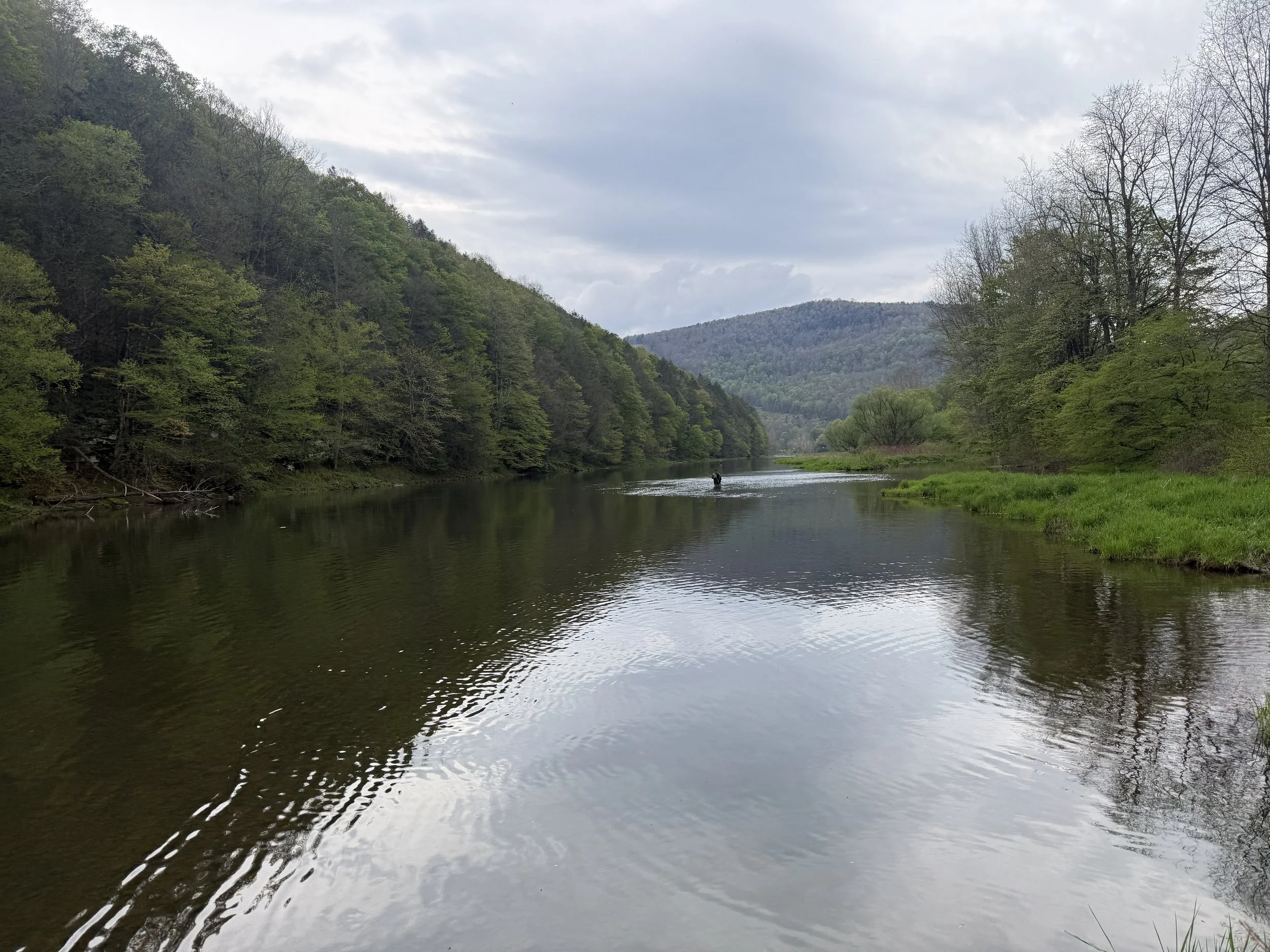
3. Approach and stealth.
Slowing things down and not racing into the water is key. Take the time to spot your target, devise a plan of approach and methodically get into the best position to make that first cast count. If you adopt the idea of trying to stack the odds in your favor, and focus on making that first cast to the target the one that counts, you drastically increase the chance of hooking the fish. Broken, riffled water will give you more forgiveness when wading that fishing a flat will not. If you wade with caution all the time, slowly moving into place, you train yourself for all water conditions and situations to make a slow methodical approach. Take your time studying your target, the frequency and rhythm at which they are feeding and present your fly accordingly. Earth tone or drab colored clothing are helpful, and remove any shiny metal objects from your vest, pack or person as they can reflect light in high sunlight situations. Whenever possible, stay out of the water and check the suns position. Although it isn’t feasible all of the time, when you can, having the sun facing you is far better than at your back as the latter will cast your shadow upon the water; which can and will alert pressured or wild fish to your presence and can change or stop their feeding behavior.
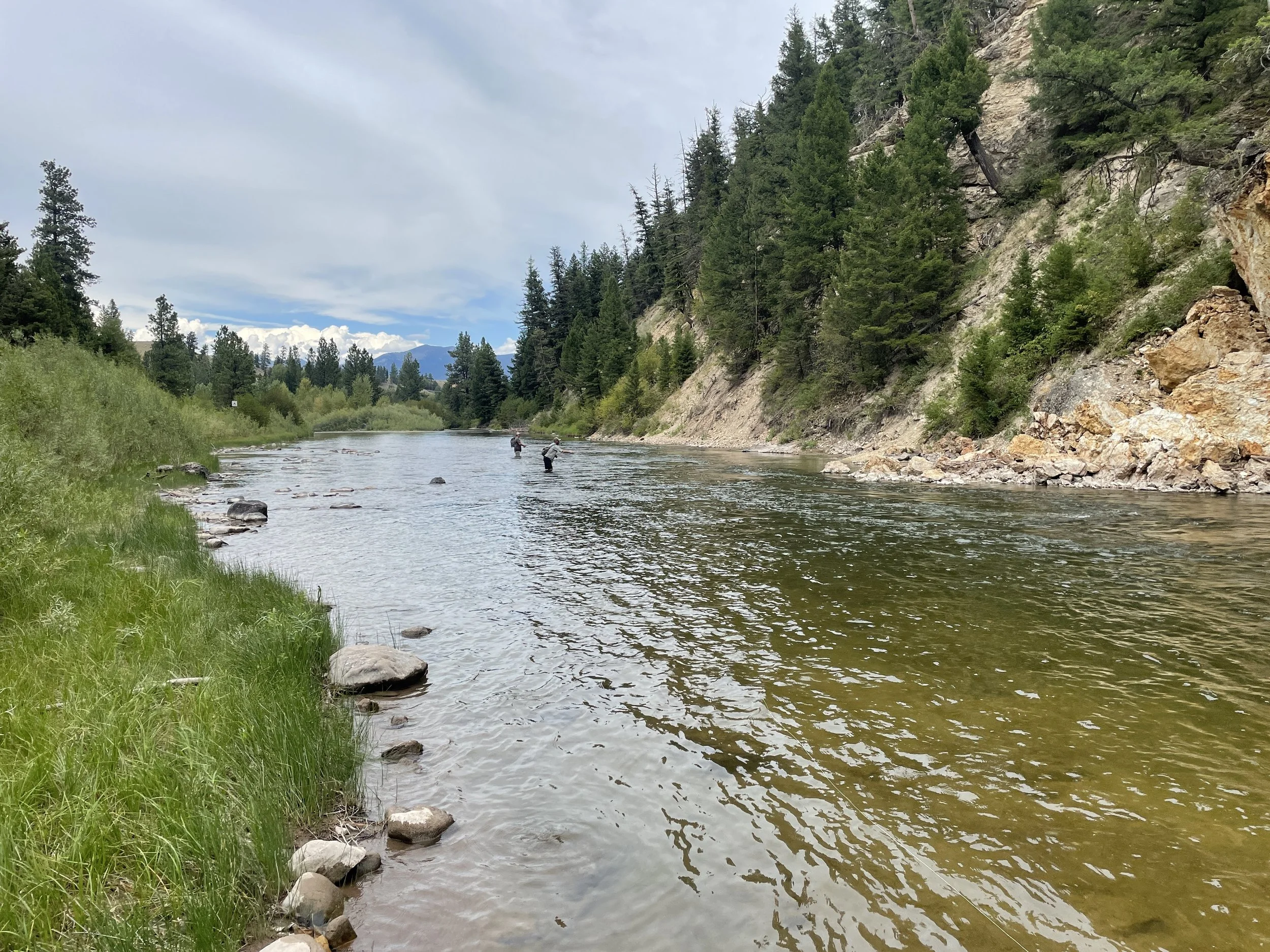
4. Reading the water.
When bugs are hatching and fish are feeding, spotting them is relatively easy. Conversely when there isn’t much or any surface feeding activity and little to no hatches and you are prospecting, there are areas you might consider focusing your attention to. Inside seams adjacent to fast water, shallow water inches to only a few feet deep, shelves and color changes in substrate, overhanging foliage off the rivers edge, and most importantly shaded areas when the sun is high. Shaded areas offer a place for a fish to hold from avian predators, but can also act as places where non aquatic insects such as inch worms, ants or beetles might fall into the water and become available food sources. High grasses on stream edges act similarly especially in areas where grasshoppers are common. The biggest takeaway from reading water is actually taking the time to investigate your setting, formulate a theory or plan on where the fish might be or are actively feeding, and methodically position yourself in a manner that will afford you the highest probability to fool your target into accepting your fly. Study it all before moving into place; varied currents, seams, structure, depth and speed before wading into position.
5. Casting ability which casts are essential.
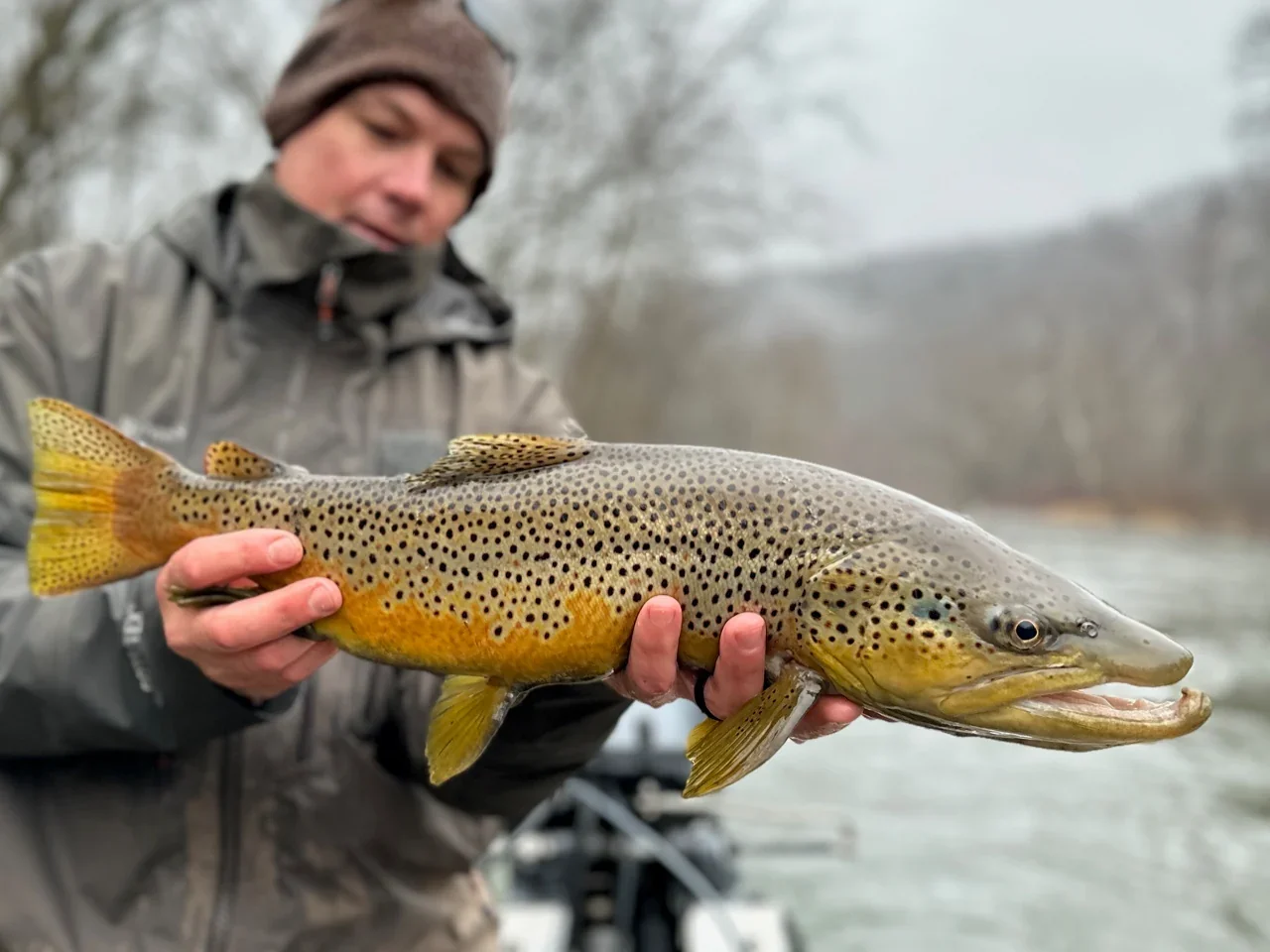
Drag free drifts are the result of adding intentional but manageable slack into your presentation. Being able to employ any one of the “mending casts” will increase your ability to fool trout. Depending on the situation I use a variation of the curve cast, aerial mend, steeple cast or reach cast. Another trick that works well especially on longer drifts is repositioning your line when presenting to a downstream target. If you cast beyond the lane at which your fish is feeding and well above your intended target, you can drag your fly into position and drop your line. Before the drop you can perform a horizontal mend back n forth with the rod tip to add some slack to your presentation. This trick works well if you have to present flies at distance and the angler needs to feed line to the fish. I learned this trick a long time ago on the upper Delaware watershed and adopted it when applicable. On rivers where you can’t get within 40 feet of your target that require longer casts, this trick works very well.
6. Entomology, what should we know.
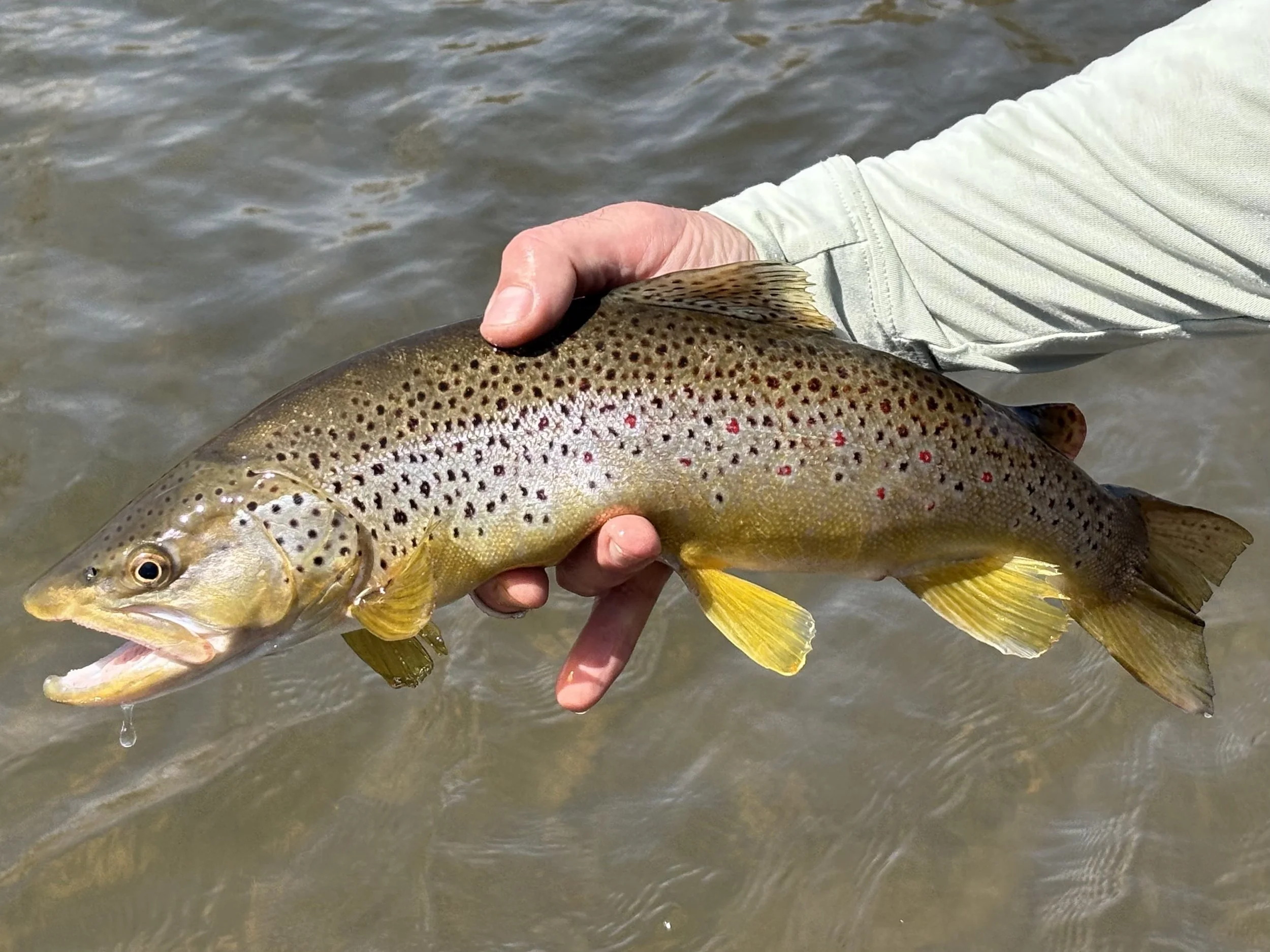
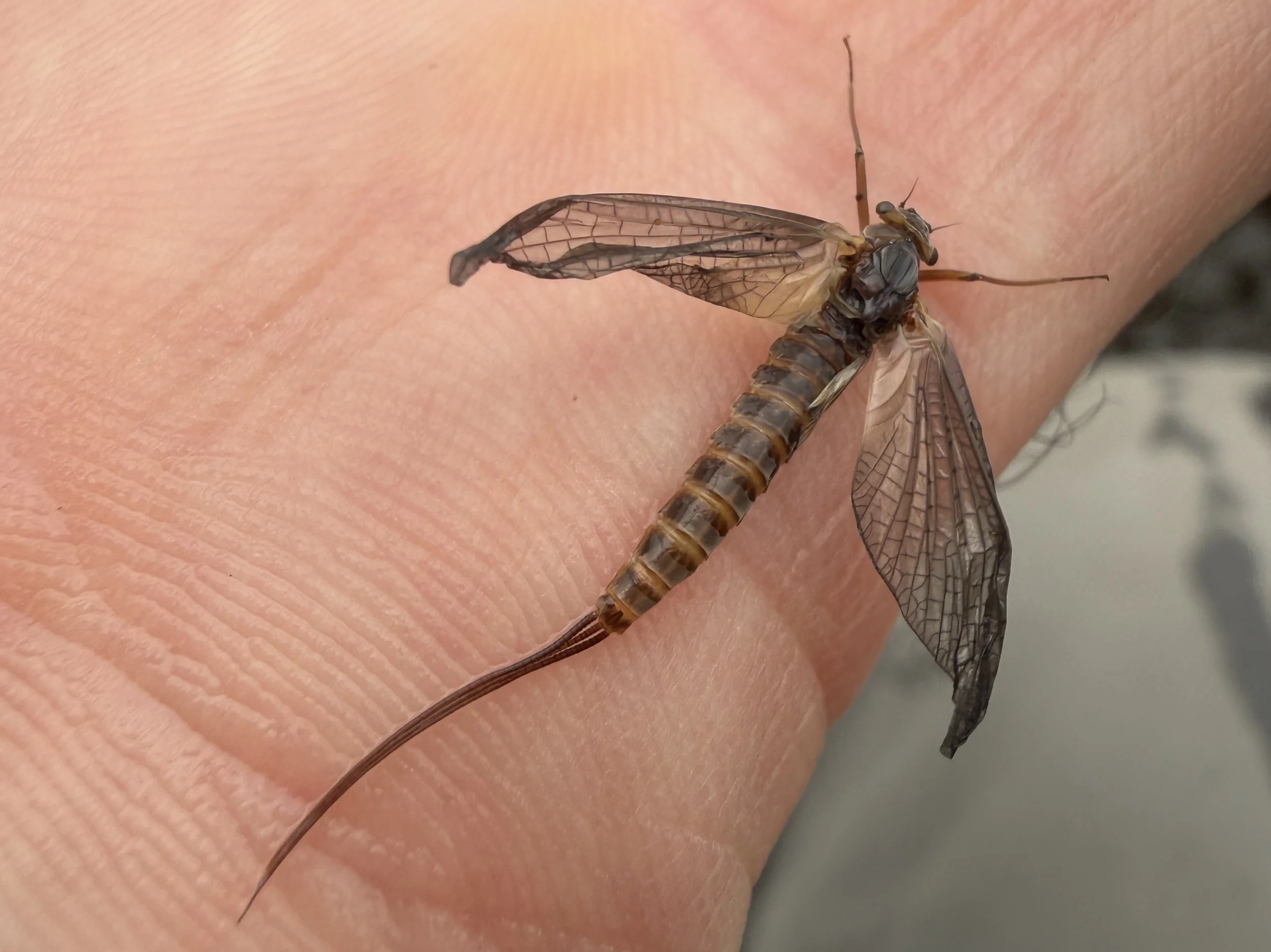
A general understanding of aquatic insects and those that trout eat will never hurt the angler. Mayflies, Caddis, Midges and Stoneflies as well as any terrestrial insects that can and will become available will always help in becoming a better angler. Although I would be impressed with anyone who could recite the latin and common names of these food forms, it really isn’t necessary. The power of observation will aid the dry fly angler much more than knowing these specific names. In other words, if you find the waters surface to yield good numbers of upright winged insects with light grey wings and dark olive bodies and a trifecta of lighter colored long tails in a size 16-18, then it might be in your best interests to tie on something similar in nature, especially if you believe that the fish feeding in front of you are eating them. A collapsible bug net that you can slip in your pack or vest is a wise investment that will allow you to catch flies out of the air for inspection, but most importantly off the water and in the water to make an informed decision on what to tie on. Taken a step further, that tool will also aid in the construction of patterns that you might tie that will further your success on the water. Take in anything you read, hear or consider from Flyfishing sources, but never let go of your own ability to observe, collect and decide for yourself on the water.
7. Rise forms Can they tell us something?
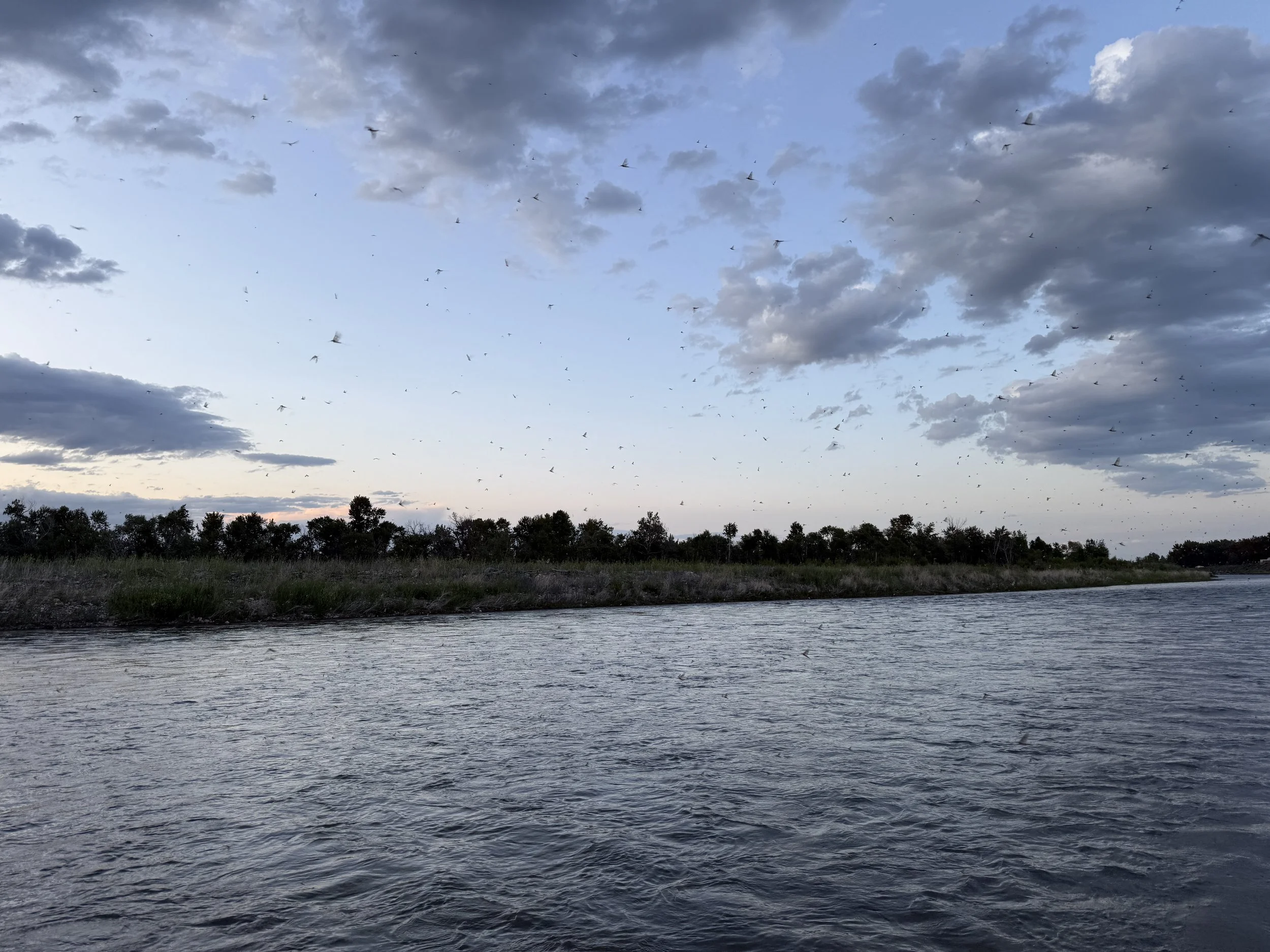
Rise forms tell us everything about what a trout is honing in on. The riddle isn’t completely solved there, but it gives the angler a point at which to make an informed decision on where in the water column they should be fishing, and quite possibly what type of insect they might be feeding on. Items that are spent like a mayfly spinner or a drowned ant or beetle are dead and at the mercy of the current. The rise forms to these types of items are more relaxed and rhythmic as the trout recognize they cannot fly away. Conversely, the rise to an ovipositing or emerging caddis or stonefly scrambling across the surface to the shoreline is much more aggressive and pointed in nature. Understanding the differences in the rises is a huge facet of making an educated guess into what fly to tie on and present to the fish you are targeting, and most importantly how you fish that pattern. Sometimes, as in the latter situation, you might need to impart some action into your presentation to get the fishes attention into eating your fly. Be open to the idea that it isn’t always a dead drift situation when dry fly fishing.
8. Fly selection, Size, shape, materials, which flies are essential.
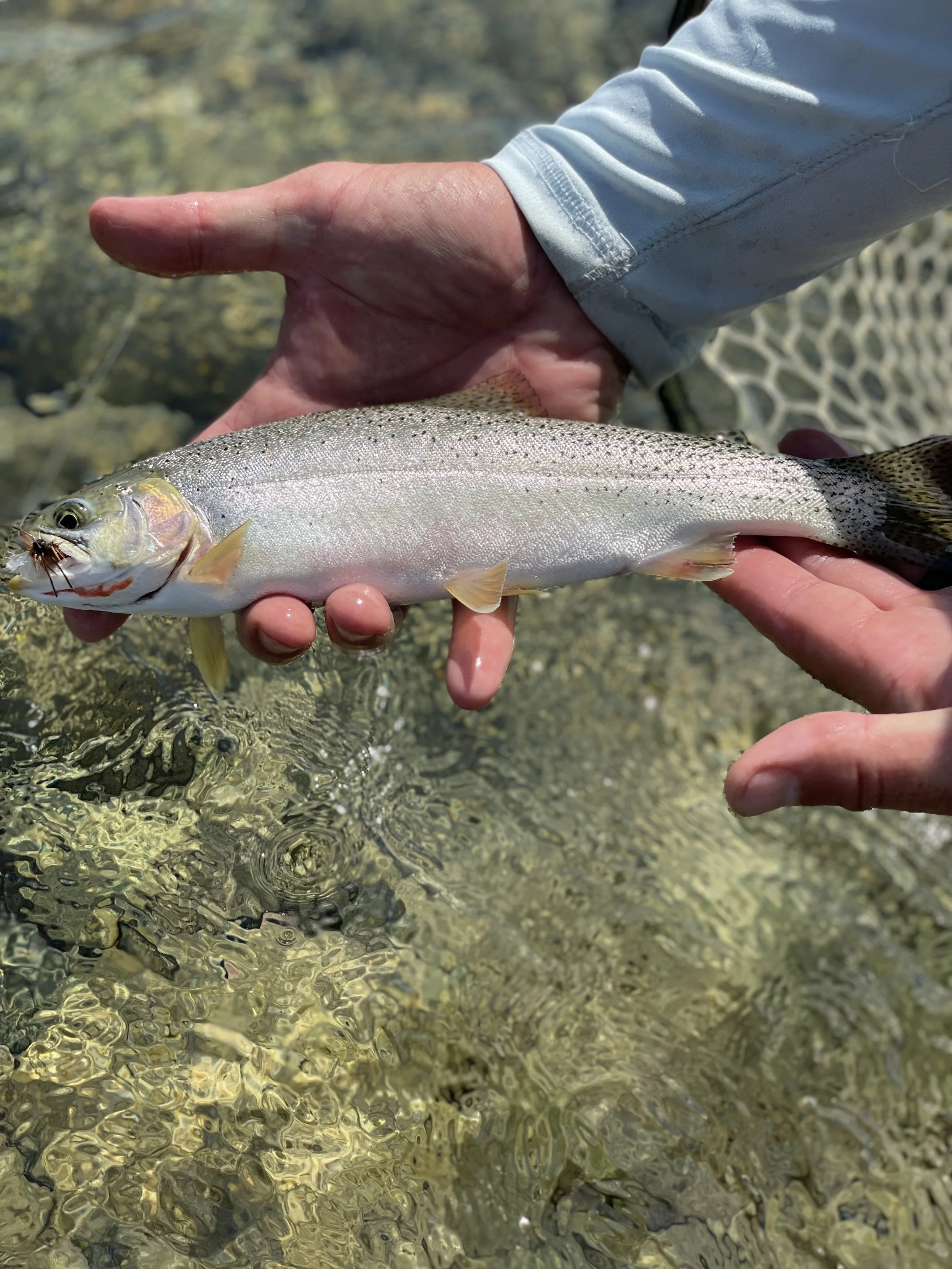
Fly selection is a personal question, if you were to poll a dozen anglers you would most certainly get a dozen different answers. The list of flies grows yearly, and every one of them can be successful without question which makes the practice even more fun, and daunting to the beginner. But when matching hatches and figuring out what trout are feeding on, paying attention to what’s going on is of utmost importance. Size, shape and color are equally as important; when trout get selective to an insect, matching something that is closest in size, shape and color will many times dictate the anglers success. Under times of selective feeding, these aspects are crucial while under times of opportunistic feeding due to a lack of insect activity, they can be of less importance. The key ingredient is recognizing what is essentially happening on the water and devising your plan based on these variables. Under opportunistic circumstances, terrestrials or other relevant food forms that would typically hatch at that given time will often work; but you may find you have to cover a lot more water.
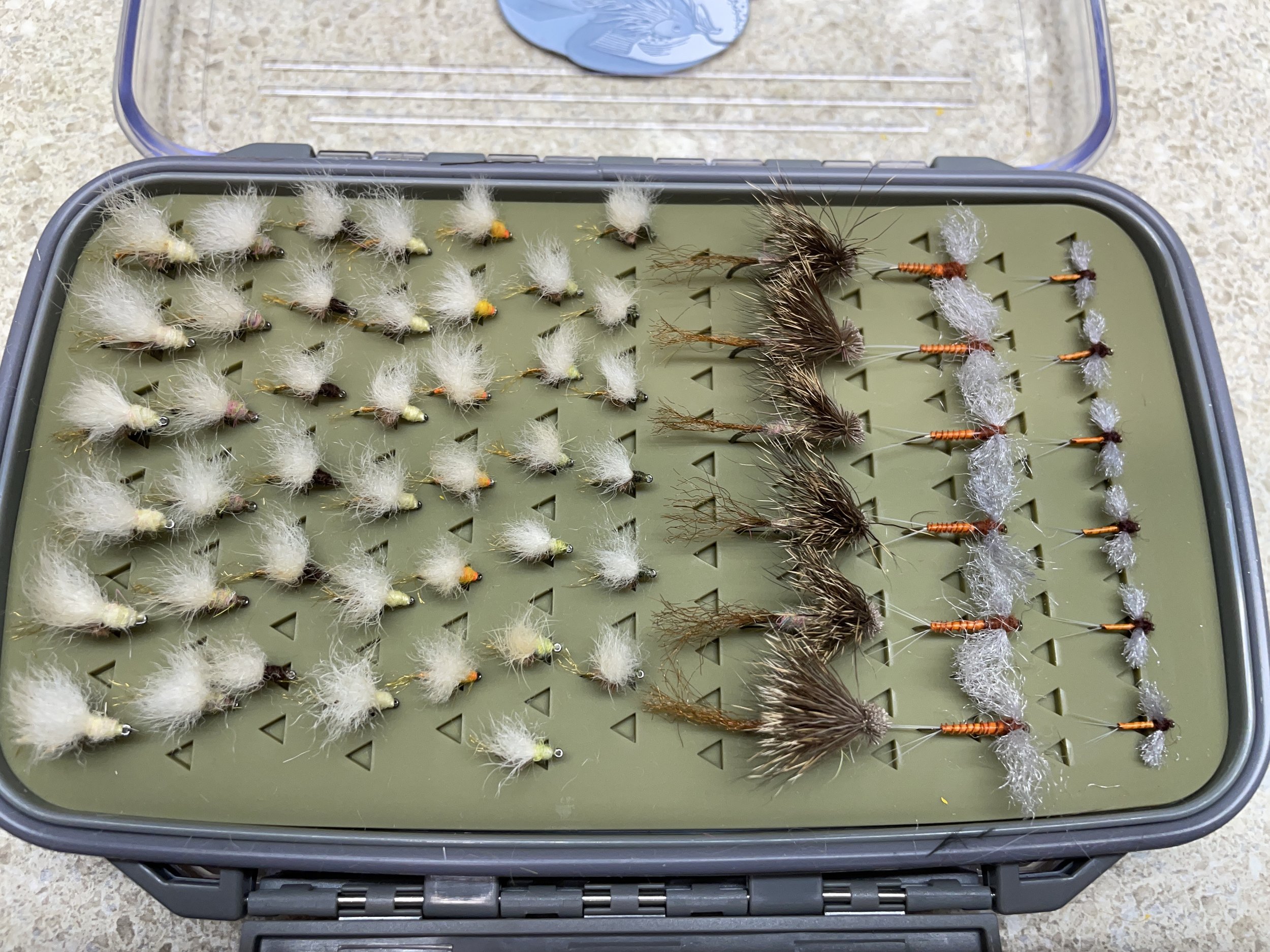
When it comes to flies in general, I prefer simple designs that emphasize a specific stage of an insects emergence. Trout have a tendency to target vulnerability as it is an easier target, depicts weakness and in heavy periods of hatching activity will standout amongst the crowd. In these cases I tie flies that have a body, wing and shuck only; no other bells and whistles are necessary. The way in which they are tied might be slightly unconventional however; sometimes using the bend of the hook to naturally imitate the shape of the real insect, or bending the hook to do the same, to changing positions of the wing(s) in relation to the hook point. Simplicity is often the key ingredient, and if you can build some inherent movement into the design with natural materials like CDC, snowshoe rabbit, ostrich herl, or other movement rich material, then I try to incorporate them into the design. A struggling insect will move, whether they are trying to expel their nymphal shuck, or drying their wings to take flight; movement equates to life and trout take notice.
9. Presentation and drifts.
Presentation and eliminating drag are the key ingredients combined with fly selection that will determine a take or a refusal. As an angler, aside from your casting ability, your ability to present a dry fly drag free to your target is the key factor in whether or not your fly even gets a look. Positioning helps, but if you cannot deliver the fly to your intended target, then it all falls apart from there. Once you have established your ability to deliver your fly to said target, imparting means by which to drift your fly naturally without drag is the goal. Whenever possible get yourself in close proximity to your target, this will alleviate or decrease the multitudes of conflicting currents between you and the target, and give you the best chance of your fly getting eaten. Cast oriented mends prior to delivery combat drag before your fly lands on the water. Understanding what the water is telling you helps in the equation. If the water between you and the current seam you are presenting to is slower or faster than that which your fly is intended to drift to it’s target, you need to adjust accordingly. This could mean a multitude of options to combat drag; angler position in relation to the fish, specific and intentional mends in the line, timing of the trout’s feeding rhythm all come into play. Even how you remove your line from the water if that particular drift wasn’t successful. Waiting to pick up your line well beyond the point that the fish was feeding will help keep the fish feeding. You might find that your first false casts to shed water after a drift might be best done either at a downstream angle away from your target as water droplets that spray from your line will alert fish and often put them down. You may find limiting your false casts and being more efficient in your delivery can aid in your success, the most important part is being open to adaptation and not rigid in your approach.
10. Upstream or downstream?
It depends on the water type you are fishing, but in all honesty you should practice becoming proficient in both manners as every situation you will encounter will be different, and the natural obstacles in place might dictate your delivery. On calm glassy type water with less gradient, I will typically try and present my fly downstream or slightly across whenever possible. I often save the upstream presentations for broken water when I am prospecting during times of non hatch activity.
11. Fighting fish.
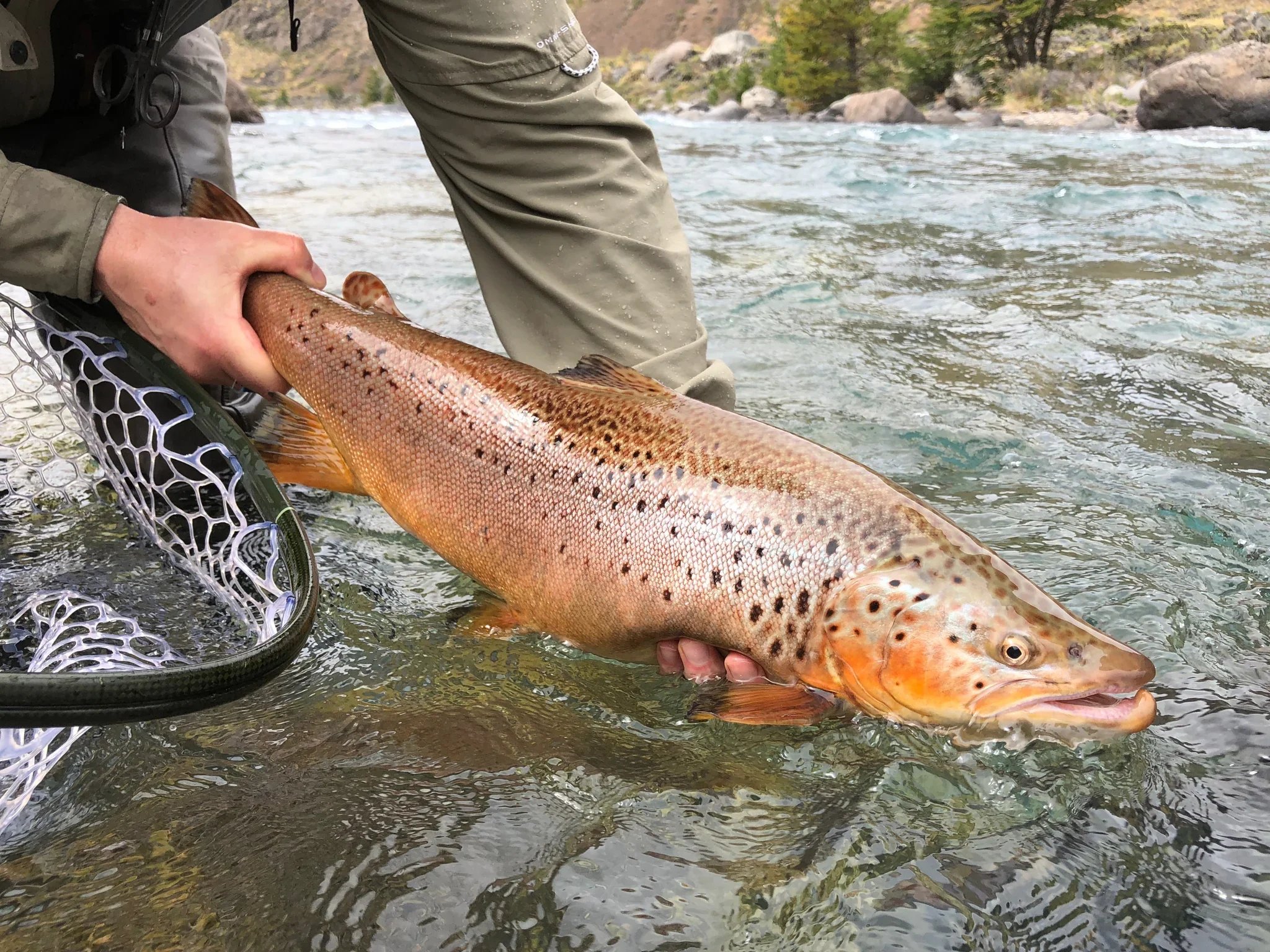
Fighting fish is a learned behavior that comes with experience, learning when to apply maximum pressure and when not to can only be learned from actually fishing. Rod length and actions dictate what kind of pressure can be applied without losing or breaking fish off. Varied pressure both high and to the side can help in fighting a fish in a timely manner and getting them into the net. I employ a little of everything whenever fishing based on the reaction of the fish I have hooked. Whenever applicable, side pressure and keeping the fish upstream of my position when possible helps in landing the fish. Tippet size and rod flex play a key role in just how much pressure you can apply to a fish, add in the flow or current volume of the water you are fishing as well. Most beginner anglers are unaware of just how much pressure you can apply to a fish through a variety of angles without breaking the fish off. A softer rod that flexes into the grip provides a bit more forgiveness as well. I often prefer a rod that is medium fast in action as it has a bit more forgiveness in the upper portion of the rod as it flexes more and protects lighter tippets with heavier fish.